17 Jul 2026
Sequenced Stacking of Incentives Changes Event-Based Wagering Dynamics
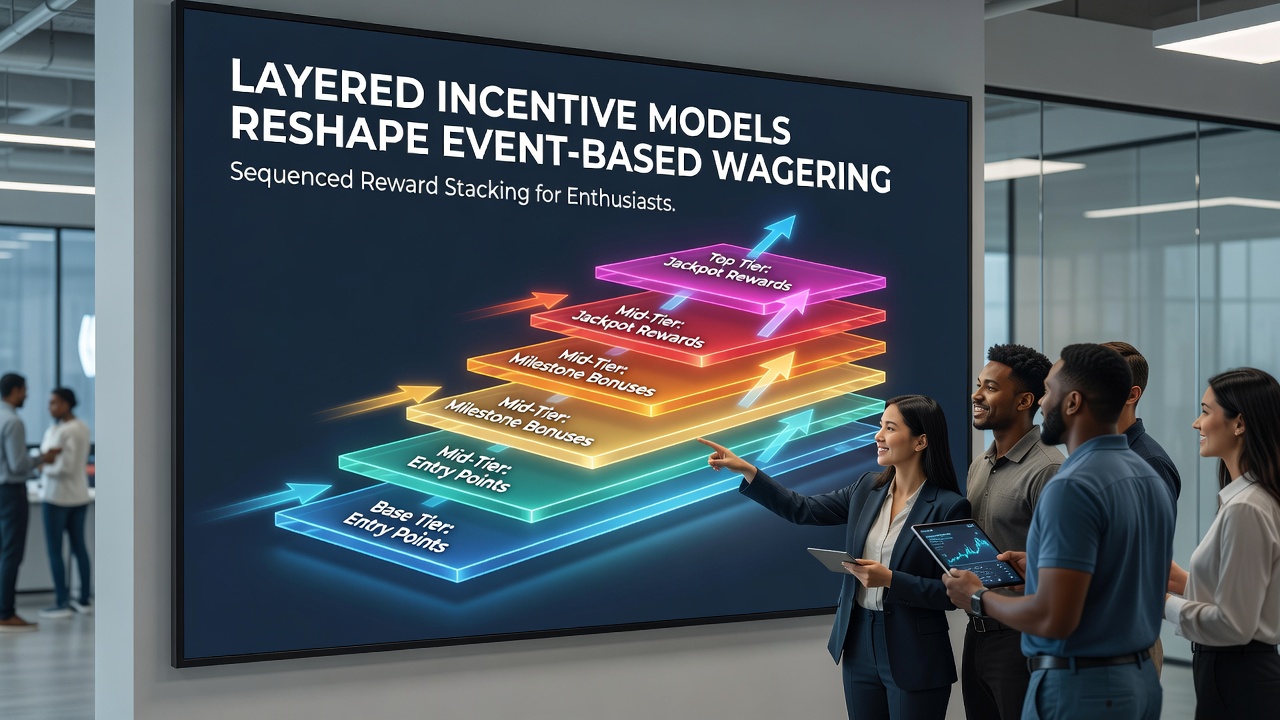
Event-based wagering has seen participants adopt more structured approaches as operators introduce layered incentive models that build rewards across multiple stages rather than offering isolated promotions. These frameworks connect initial deposits or bets to subsequent bonuses through sequenced steps, which guides how enthusiasts manage their participation over time. Data from industry tracking services indicates that such models now appear across sports events, live competitions, and tournament-style markets where timing matters.
Mechanics Behind Sequenced Reward Stacking
Operators design these systems so one reward unlocks access to the next through defined conditions like minimum stakes, specific event selections, or completion of earlier tiers within set windows. For instance a participant might receive an initial odds enhancement on a qualifying bet, then qualify for a follow-up token after that wager settles, which can apply to another market in the same event series. Researchers at the University of Nevada Reno Gaming Innovation Center have documented how these sequences extend engagement periods because each layer depends on prior actions.
Participants often track progress through dedicated account dashboards that display remaining requirements and upcoming rewards. This visibility allows for planning across an entire event rather than reacting to single offers. Reports from the Australian Communications and Media Authority note similar patterns in regulated markets where sequenced structures correlate with steadier participation volumes during major sporting calendars.
Participant Adaptations in Practice
Those who engage regularly have adjusted their routines to align bets with the sequence timelines operators set. One documented case from Canadian provincial gaming data shows enthusiasts spreading wagers across preliminary rounds and finals to satisfy stacking conditions without exceeding personal limits. The approach requires monitoring both the event schedule and the reward tiers simultaneously.
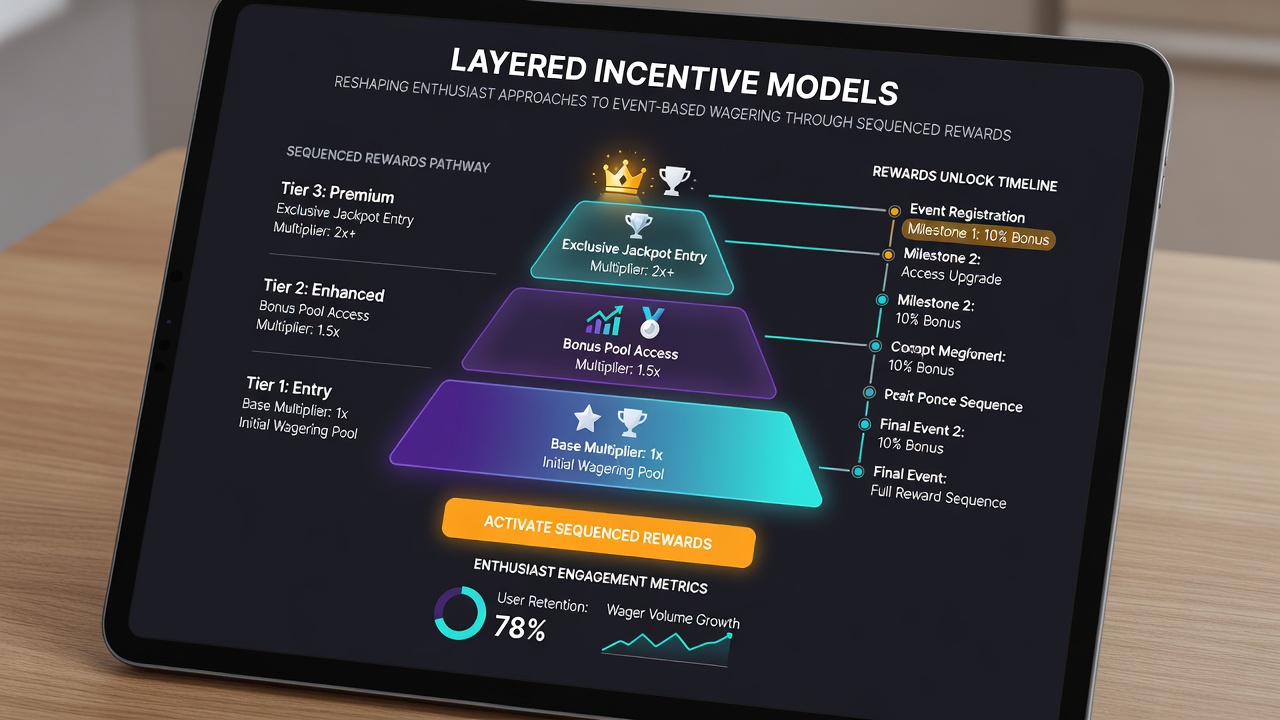
Sequencing also influences how people allocate funds because later layers frequently carry higher potential returns yet demand completion of earlier commitments. Observers note that this creates natural checkpoints where participants decide whether to continue or pause based on event outcomes. Trade publications from the European Gaming and Betting Association highlight that operators refine these sequences quarterly to match popular event calendars and maintain compliance with regional standards.
Regulatory Context and July 2026 Developments
Upcoming adjustments scheduled for July 2026 in several jurisdictions will require clearer disclosure of sequence terms and completion rates. Authorities in multiple regions plan to mandate standardized reporting on how many participants reach final reward tiers. These changes stem from broader efforts to align incentive structures with responsible participation guidelines already in place elsewhere.
Industry associations such as the World Lottery Association have published guidance encouraging transparent communication about stacking conditions so participants understand each stage before committing. Such measures aim to reduce confusion around eligibility windows and event-specific qualifiers that define many current models.
Cross-Platform Integration Patterns
Some operators now link sequences across different event types so rewards earned on one competition carry forward to another. This integration appears more frequently in markets where mobile platforms track user progress in real time. Figures from North American gaming reports show increased adoption of unified accounts that consolidate stacking progress across sports and competitive events.
Participants who navigate multiple sequences simultaneously tend to focus on events with overlapping timelines because that alignment maximizes the chance of completing several layers without additional outlay. Data indicates these patterns concentrate around major international tournaments where multiple competitions run concurrently.
Conclusion
Layered incentive models continue to shape how participants approach event-based wagering by replacing standalone promotions with connected reward sequences. Available evidence from regulatory bodies and academic centers shows these structures influence timing, fund allocation, and cross-event strategies among regular enthusiasts. As July 2026 approaches, further refinements in disclosure requirements will likely standardize how operators present these sequences while maintaining the core mechanics that define them today.