26 Jul 2026
Seasonal Sports Cycles Meet Platform Incentives Through Stacked Reward Events
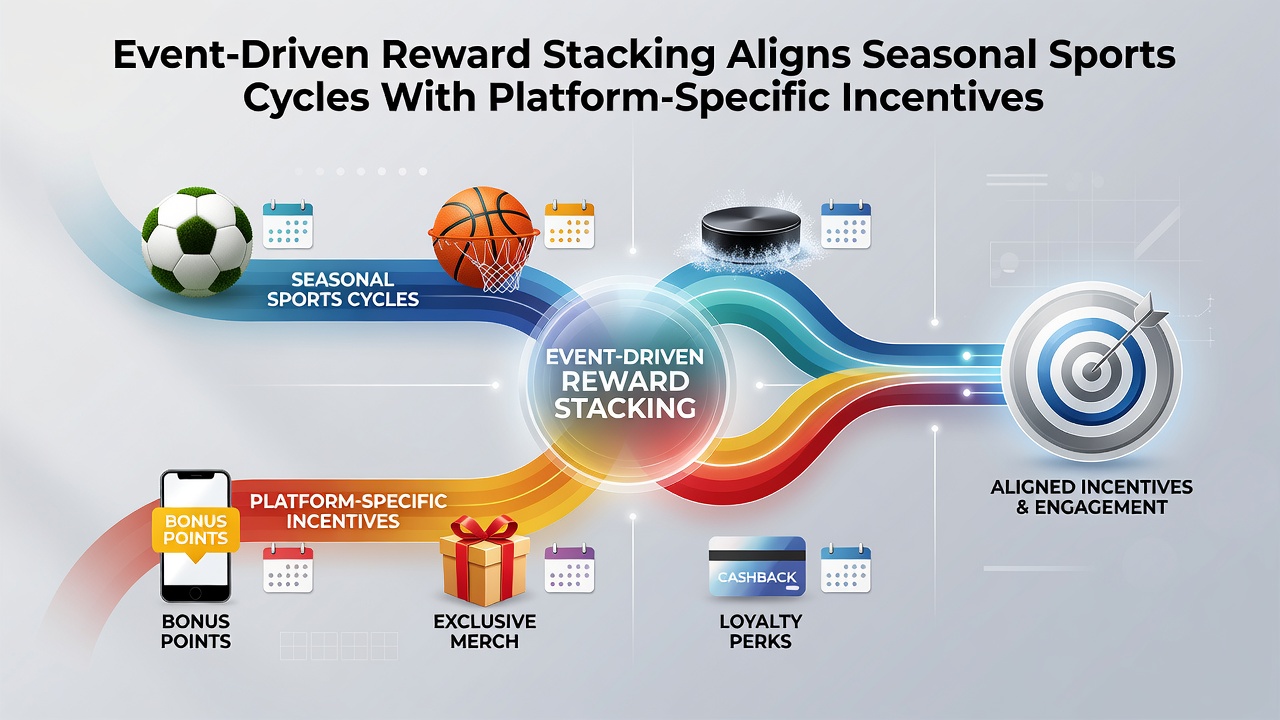
Event-driven reward stacking connects seasonal sports schedules with targeted incentives that operators release on specific platforms, and this alignment creates layered opportunities for users who track both calendars and promotional terms closely. Sports seasons follow predictable patterns, from major football leagues kicking off in August through to tennis grand slams scattered across the year, while platforms adjust their offers to match those peaks with deposit matches, odds boosts, and free bet credits that activate only during designated windows.
Understanding the Mechanics of Event-Driven Stacking
Operators design these systems so that rewards trigger around key fixtures, tournament starts, and league restarts, which means a user can combine a sports-specific odds surge with a casino no-deposit token issued on the same platform when the timing overlaps. Data from industry reports shows that participation rates climb when multiple promotions run concurrently because users receive separate bonus balances that accumulate without immediate wagering overlap. Researchers at the University of Nevada Reno documented how such layering extends session lengths during high-profile events like the Super Bowl or Champions League knockout stages, where each platform releases distinct incentive tiers tied to live markets.
Platform Differences Shape Reward Availability
Each platform maintains its own rule set for stacking, and some cap the number of active bonuses while others permit simultaneous use across sports and casino verticals. Mobile apps often deliver push notifications that highlight expiring offers tied to upcoming fixtures, whereas desktop sites present longer-form calendars that list every eligible event through the remainder of the season. Observers note that cross-platform users frequently switch devices mid-cycle to claim the most favorable terms, since one site might require a minimum stake on a Premier League match while another releases free spins after any qualifying sports bet settles.

July 2026 stands out on several calendars because multiple summer tournaments coincide with pre-season football friendlies and emerging esports competitions, creating an unusually dense window for stacked rewards. Platforms that normally focus on winter sports expand their offerings during this period, and users who maintain accounts across several sites can sequence activations so that one bonus funds activity on another without violating individual terms. Figures released by the American Gaming Association indicate that multi-platform engagement rises sharply when such dense event clusters occur, because operators release tiered incentives that reward cumulative activity rather than isolated bets.
Seasonal Patterns and Incentive Timing
Football seasons generate the highest volume of event-driven offers because weekly matchdays provide recurring triggers, yet tennis and golf majors produce shorter but more concentrated spikes when grand slam or major tournament play begins. Cricket test series and rugby internationals follow similar rhythms, and operators in different regions align their reward calendars accordingly so that users in Australia or Canada see offers timed to their local seasons. Those who study these patterns often maintain spreadsheets that map fixture lists against promotional calendars, allowing them to anticipate when a platform will release an accumulator boost or a cashback offer tied to a specific league restart.
According to research published in the International Gambling Studies journal, stacking succeeds most consistently when users verify rollover requirements on each bonus before activation, since some platforms count sports stakes toward casino bonuses while others keep the ledgers separate. This separation matters during periods when one vertical offers higher multipliers, and careful timing prevents accidental forfeiture of unclaimed credits.
Practical Examples Across Sports and Platforms
Take one user who activated a deposit match on a Premier League matchday, then used the resulting balance to unlock a separate no-deposit spin package released for a concurrent tennis event; both bonuses remained active because the platform treated the verticals as distinct products. Another case involved an esports tournament overlay where live odds boosts combined with a loyalty token that carried over into the following week's football slate, extending the reward window without requiring additional deposits. These examples illustrate how event timing rather than user preference dictates the stacking sequence.
Conclusion
Event-driven reward stacking continues to evolve as operators refine their calendars to match the global sports schedule, and users who monitor fixture lists alongside platform announcements gain access to layered incentives that span multiple verticals and time zones. Regulatory updates scheduled for mid-2026 may further influence how these systems operate, yet the core mechanism of aligning seasonal peaks with platform-specific triggers remains consistent across markets. Those who track both elements methodically position themselves to utilize available rewards within the stated terms of each promotion.