14 Aug 2026
Seasonal Event Triggers Redefine Layered Reward Structures in Unified Wagering and Gaming Ecosystems
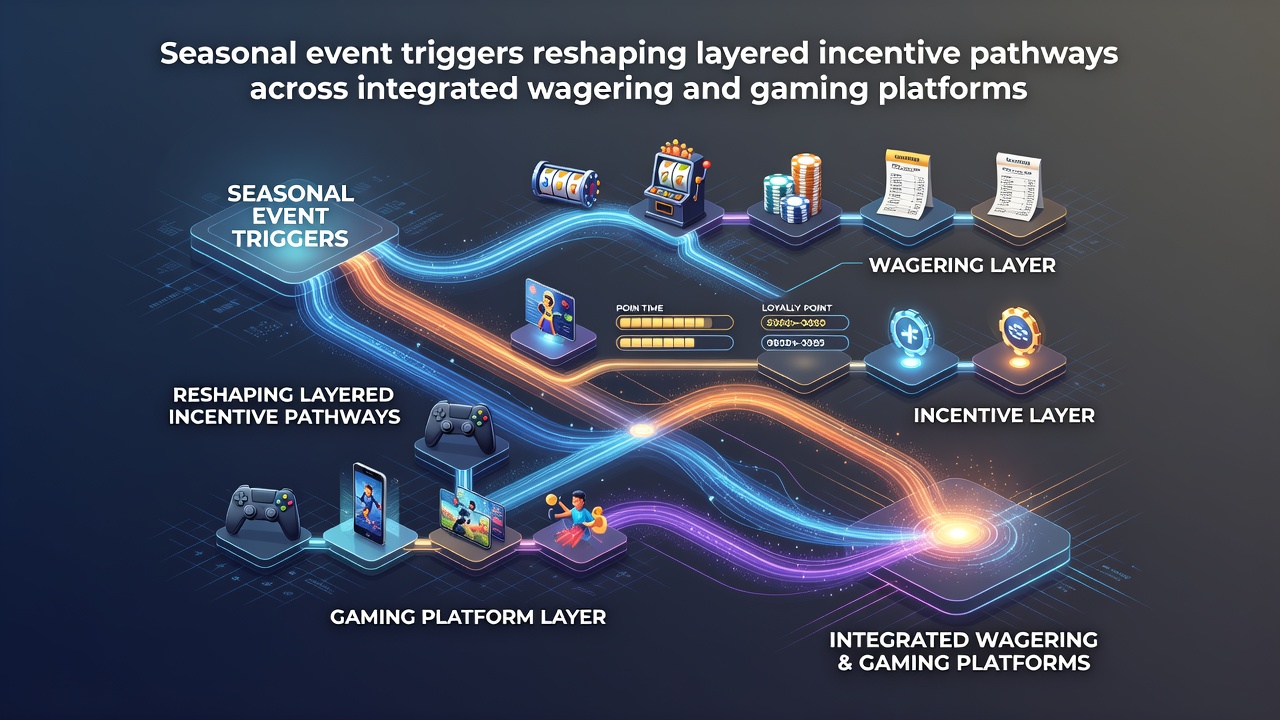
Seasonal events such as major sports tournaments, holiday periods, and cultural festivals continue to trigger adjustments in how operators structure incentives across platforms that combine sports wagering with casino gaming, and data from multiple markets shows these changes create multi-layered pathways where rewards from one vertical unlock access to another.
Event Calendars Shape Bonus Activation Rules
Operators align incentive releases with predictable calendars, so a football season opener might activate deposit matches that convert into free spins once wagering thresholds are met, while summer cricket events in certain regions introduce progressive multipliers that carry over from live betting into slot sessions. Research indicates these calendar-driven triggers encourage users to move between product types rather than remain in a single vertical, and figures from industry tracking services reveal conversion rates between sports and casino rewards rise notably during peak event windows.
Platforms use event timing to reset or extend existing loyalty tiers, which means a player completing a pre-season accumulator might receive a token that applies directly to a casino leaderboard challenge running simultaneously. This layering reduces friction between verticals and allows operators to maintain engagement across slower periods by linking one season's conclusion to the next event's launch.
Technical Integration Supports Cross-Vertical Pathways
Backend systems now track user progress through unified ledgers, so progress toward a sports-related milestone automatically populates casino-specific offers without requiring separate logins or wallets. Observers note that this technical approach lets operators adjust incentive values in real time based on event performance, such as boosting reward tiers when a tournament extends into extra rounds or when viewership metrics exceed forecasts.
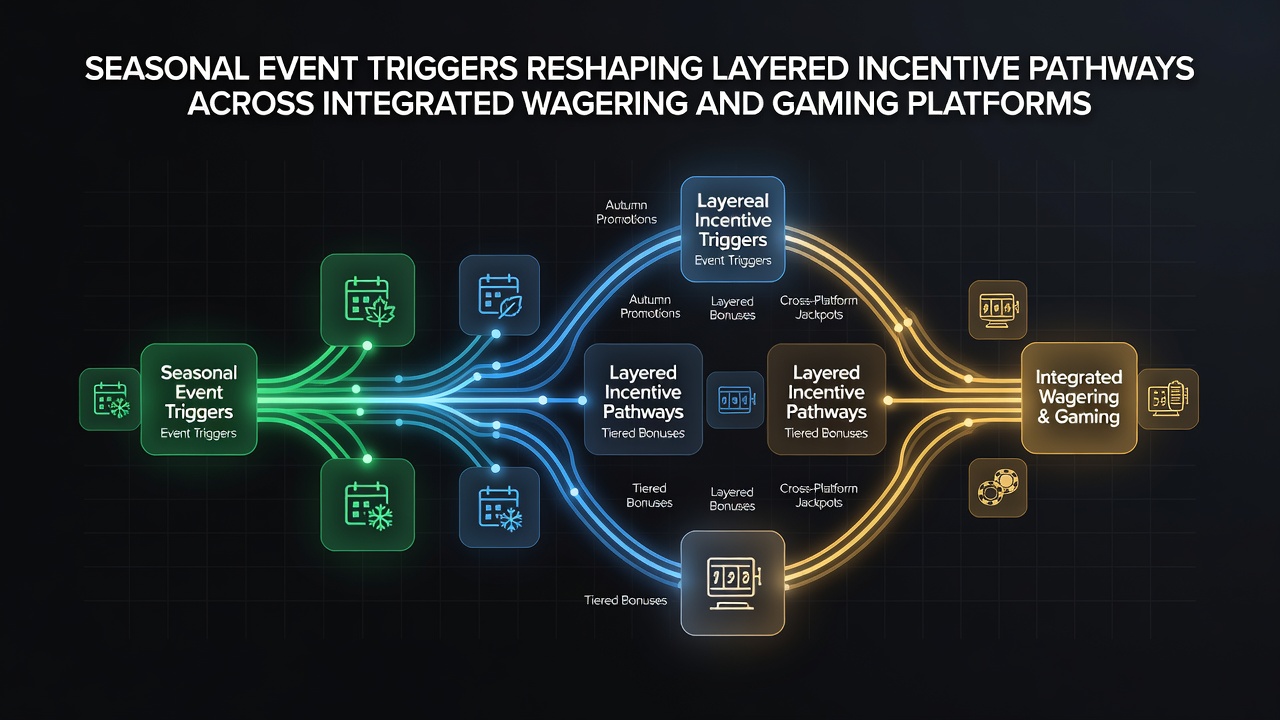
August 2026 brings additional event clusters including late-summer tennis majors and pre-season football friendlies across multiple continents, and operators have already begun pre-loading incentive sequences that bridge these periods with carry-over credits. Those sequences typically require completion of sports-specific tasks before casino elements activate, creating deliberate progression gates that studies from academic gaming research groups show increase average session duration.
Regulatory Variations Influence Pathway Design
Different jurisdictions impose distinct constraints on how rewards can transfer between verticals, which forces operators to maintain region-specific configurations even on globally accessible platforms. A North American state regulator might permit sports bonuses to feed directly into table game credits, whereas an Australian authority could require separate verification steps before casino elements unlock. These variations lead platforms to publish clear regional rulesets that users encounter during account setup, and reports from industry associations document how operators test multiple configurations to remain compliant while preserving cross-vertical flow.
Payment processing timelines also differ by region and affect how quickly layered rewards become available, so a deposit made during a European winter sports event might clear faster than one tied to an Asian festival period. Operators respond by displaying estimated release windows alongside each offer, which reduces support queries and keeps users inside the incentive loop rather than exiting to external payment channels.
Player Behavior Data Guides Future Adjustments
Analytics teams examine completion rates for each layer of an incentive pathway, identifying where drop-off occurs most frequently during seasonal transitions. When data shows users complete sports tasks but stall before activating casino components, operators shorten the required sequence or introduce intermediate micro-rewards that maintain momentum. University-led studies on digital gaming patterns confirm that shorter, more frequent triggers sustain participation across longer event cycles compared with single large milestones.
Seasonal spikes also reveal preferences for certain reward types, with some markets favoring free bet equivalents while others respond more strongly to no-deposit casino credits. Platforms incorporate these regional signals into automated systems that adjust upcoming pathways weeks in advance, allowing pre-event communication that primes users for the next sequence.
Conclusion
Seasonal event triggers continue to serve as primary drivers for how operators redesign layered incentive systems across integrated wagering and gaming platforms, and the technical, regulatory, and behavioral factors outlined above determine which pathways remain viable in each market. As calendars advance into periods such as August 2026, existing configurations will likely receive further refinements based on performance metrics collected during prior cycles.