24 Jun 2026
Reward Sequencing Strategies in Integrated Betting and Gaming Environments
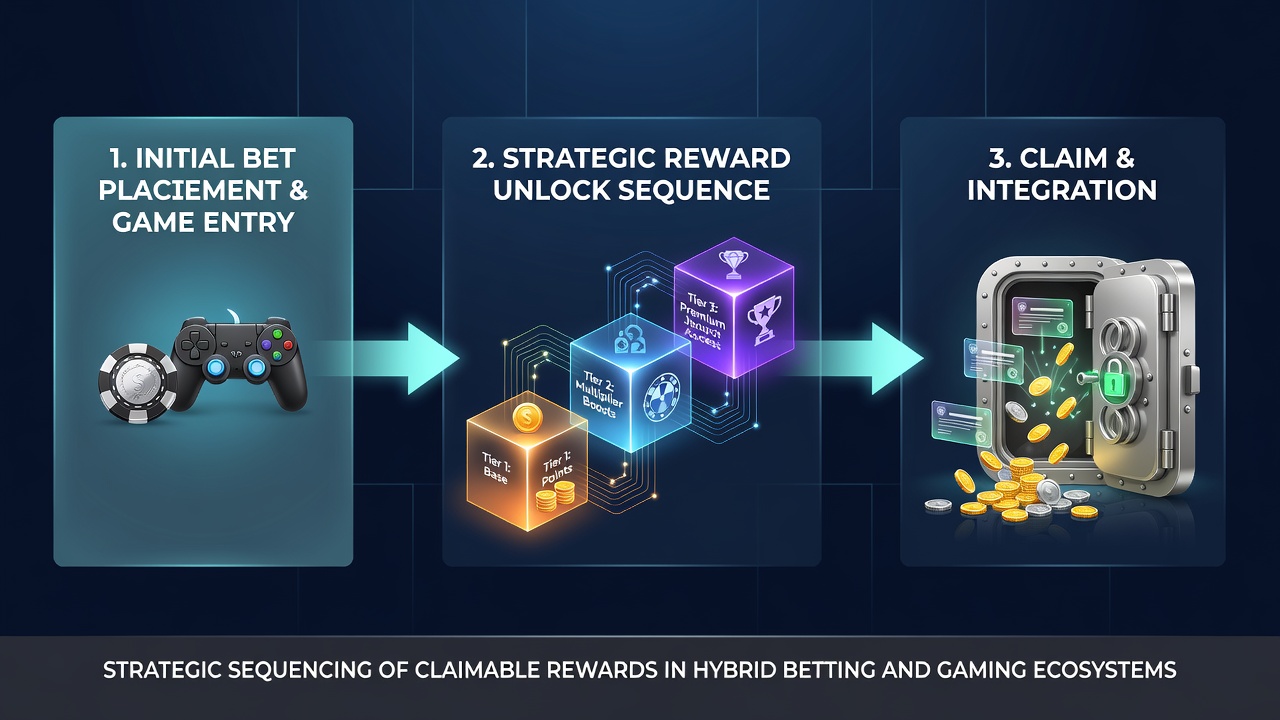
Hybrid betting and gaming ecosystems combine sports wagering with casino-style games on single platforms, and operators structure claimable rewards such as free bets, deposit matches, and no-deposit spins to encourage cross-product engagement. Participants navigate these offers by timing their claims across different game types, which affects how bonuses convert into playable funds or withdrawable amounts according to specific terms.
Core Components of Reward Structures
Claimable rewards typically fall into categories that include matched deposits for sports markets, cashback on losses, and free spins tied to slot titles, while hybrid systems link these elements so that activity in one area unlocks value in another. Data from the American Gaming Association shows that integrated platforms report higher retention when users activate sports-related free bets before moving to casino rounds, because the sequencing aligns with wagering requirements that often reset or carry over between verticals.
Operators set expiration windows and playthrough multipliers that differ by product, which means a user who claims a casino token first might face stricter rollover conditions than one who begins with a sports odds boost. Research indicates that platforms adjust these parameters monthly, and June 2026 brings scheduled updates to several major systems that will standardize carry-over rules across borders.
Timing Mechanics and Platform Logic
Sequencing begins when a player evaluates available promotions through account dashboards that list eligibility windows, minimum stake thresholds, and product-specific caps. Those who map their claims in advance often start with low-risk entries such as no-deposit spins, then apply resulting winnings as stakes on sports events that trigger additional matched-bet credits. This order reduces the chance that one bonus voids another because of overlapping terms.
Systems track claim order through backend flags, and figures reveal that players who alternate between casino and sports claims within a single session achieve higher completion rates on combined playthrough targets. External audits confirm that the same sequence applied across multiple accounts on different sites produces distinct outcomes because each operator maintains independent ledgers for bonus tracking.
Cross-Product Interactions and Data Patterns
Hybrid environments record user paths through telemetry that logs the exact moment a reward moves from pending to active status. Observers note that sequences involving an initial sports free bet followed by casino spins generate more incremental deposits than the reverse order, largely because sports outcomes create immediate emotional triggers that operators convert into casino engagement prompts. Studies from the Canadian Centre on Substance Use and Addiction document similar patterns in regulated markets where reward layering crosses vertical boundaries.
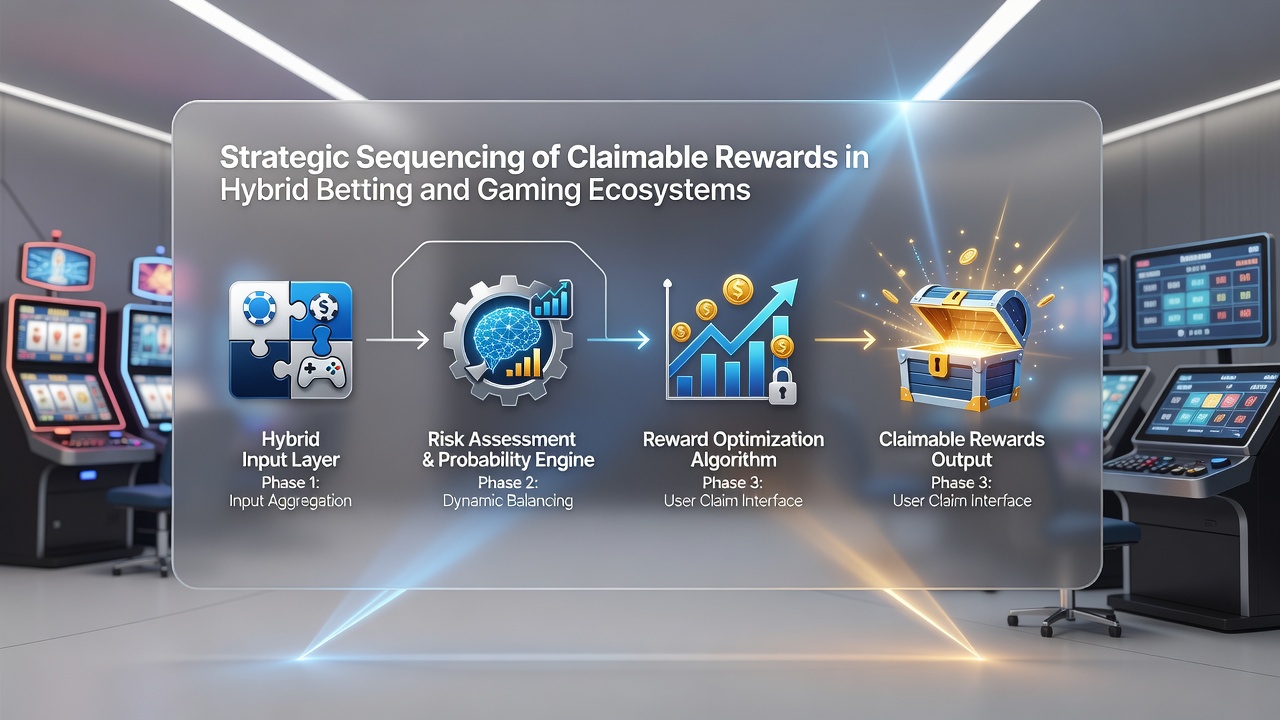
Platform algorithms respond to claim timing by adjusting subsequent offers, so a user who redeems casino credits early may receive sports-focused reloads later in the same week. Evidence from industry reports shows that June 2026 platform patches will introduce unified calendars that display all active and upcoming rewards in chronological order, reducing the need for manual tracking across separate menus.
Regulatory Timelines and Operational Adjustments
Multiple jurisdictions require operators to publish clear sequencing guidelines before new reward types launch, and these disclosures often appear in updated terms pages that users must acknowledge. In regions outside the UK, bodies such as the Australian Communications and Media Authority have examined how hybrid reward flows influence session length and total handle, leading to recommendations that platforms provide visual timelines rather than text-only lists.
Operators prepare for these standards by building internal dashboards that preview claim order impacts before users commit. Data indicates that clear sequencing information correlates with fewer support tickets related to bonus disputes, particularly when free spins transition into sports stake credits mid-session.
Conclusion
Strategic sequencing in hybrid ecosystems rests on understanding product-specific rules, expiration mechanics, and cross-vertical triggers that operators embed into their platforms. Participants who align claims with published terms and platform update cycles, including those scheduled for June 2026, operate within documented system behaviors that determine how rewards convert to playable value. Continued monitoring of regulatory guidance from varied jurisdictions helps maintain consistency as these integrated environments evolve.