7 Aug 2026
Interconnections in Real-Time Event Modifications and Multi-Platform Credit Submissions
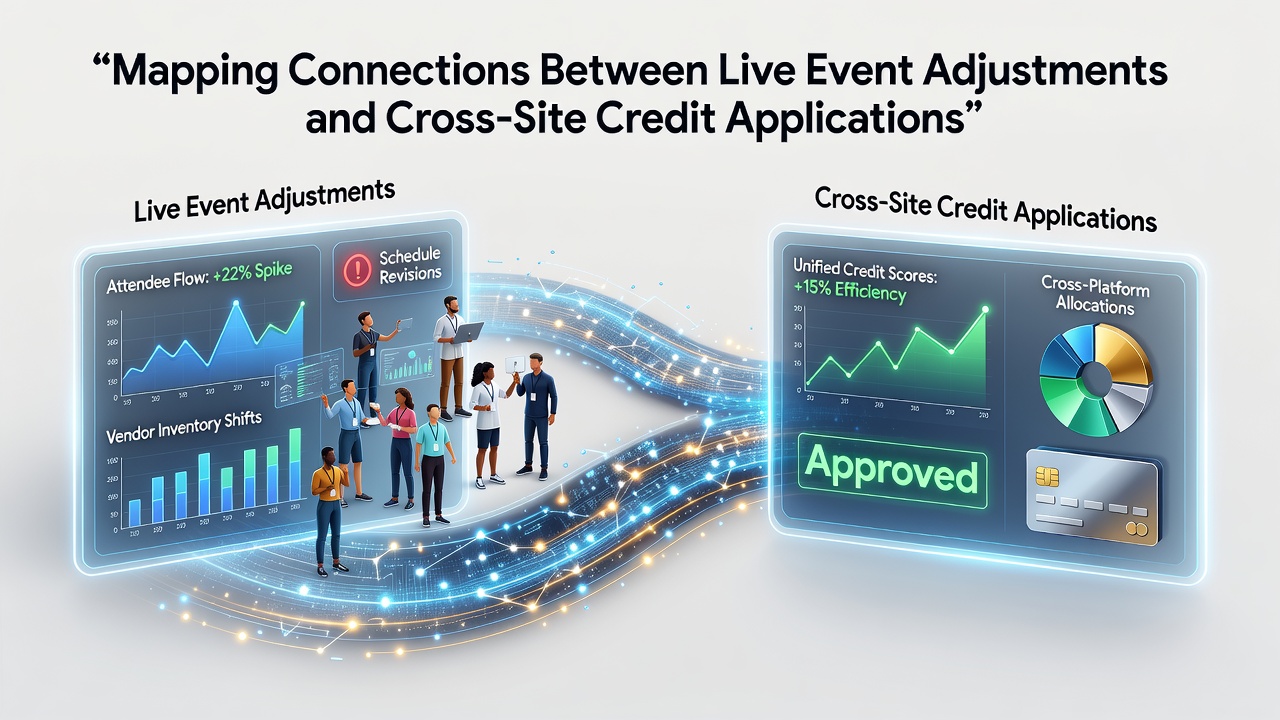
Systems that track adjustments during live events, such as schedule shifts in entertainment venues or dynamic changes in sports fixtures, often feed into broader data networks that influence credit application processes across multiple websites, and researchers have documented these patterns through integrated analytics platforms that pull from various sources simultaneously. Data from event management software connects with consumer finance databases when timing or availability details alter, which in turn affects how credit inquiries get processed on separate sites that share backend information exchanges.
Core Mechanisms Behind These Links
Live event platforms record modifications like ticket reallocations or venue capacity updates in real time, and these records flow into credit scoring models because timing factors play roles in risk assessment algorithms used by financial institutions. Observers note that when an event adjustment occurs, such as a delayed start or rescheduled date, associated user activity spikes appear in logs that credit application engines monitor across domains, creating traceable pathways that developers map using API connections and shared identifiers.
Cross-site credit applications rely on aggregated signals that include behavioral data from unrelated sectors, and event adjustment records serve as one input among many because they indicate potential shifts in consumer plans or spending capacity. Studies from academic institutions have shown that correlation coefficients rise when event data timestamps align with application submission peaks, although causation requires further controls in the analysis.
Technological Frameworks Supporting the Mapping
Developers employ graph databases and machine learning pipelines to visualize connections between event adjustment logs and credit request sequences, allowing companies to identify clusters where one type of change predicts patterns in the other. These tools process streams from sources like ticketing systems and banking portals, then apply entity resolution techniques to link anonymous user sessions without direct personal identifiers in every case.
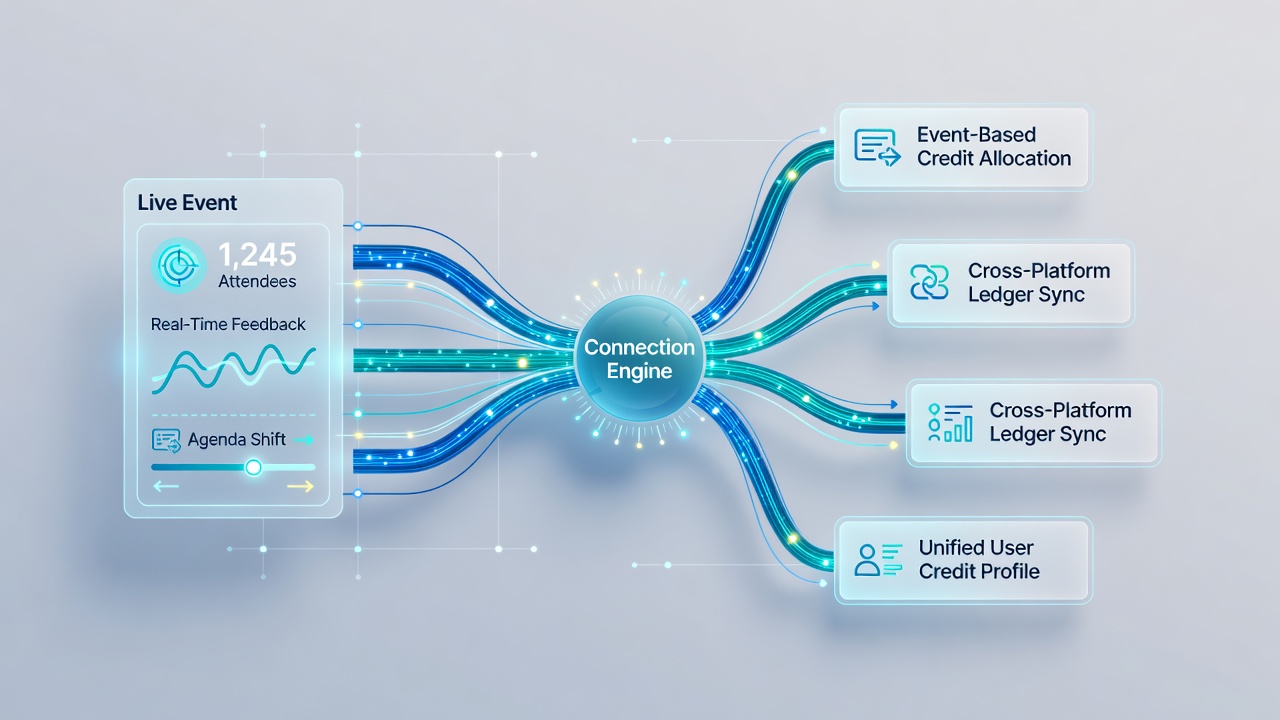
According to reports from the U.S. Federal Trade Commission on consumer data practices, organizations that handle multi-site credit flows must maintain clear audit trails when incorporating external event signals, and similar guidelines appear in directives from the European Data Protection Board that emphasize transparency in automated decision-making. Companies implement these frameworks by tagging adjustment events with metadata that credit engines later reference during approval workflows.
Observed Patterns in August 2026 Data Sets
Records compiled around August 2026 revealed increased linkage density between live event rescheduling announcements and subsequent credit application volumes on retail finance sites, with certain sectors showing synchronized activity within hours of each change notification. Industry organizations such as the International Association of Privacy Professionals have compiled case summaries where mapping exercises helped firms isolate which event variables carried the strongest predictive weight for credit behavior indicators.
But here's the thing: not every adjustment produces measurable effects, since context matters heavily and factors like event scale or regional economic conditions moderate the strength of observed connections. Researchers discovered through controlled experiments that only adjustments exceeding a threshold in user notification reach tend to register in downstream credit models.
Regulatory and Industry Considerations
Government agencies in Canada and Australia have issued guidance on cross-border data sharing that applies when event adjustment information travels into credit evaluation systems, requiring consent mechanisms and purpose limitation clauses to stay compliant. Trade groups including the Consumer Data Industry Association provide templates for documenting these data lineage paths, which helps operators demonstrate accountability during audits.
One study revealed that firms adopting comprehensive mapping reduced processing discrepancies by aligning event timestamps with application metadata more precisely, and this approach has gained traction among organizations seeking to streamline compliance reporting. What's interesting is how these mappings also surface opportunities for system optimization without altering underlying credit policies themselves.
Conclusion
Mapping exercises continue to evolve as new data sources emerge, and stakeholders across technology, finance, and event management sectors rely on established frameworks to maintain accurate, auditable connections. Figures from various regulatory bodies confirm that transparent handling of these interconnections supports both operational efficiency and consumer protection standards in multiple jurisdictions.