10 Jul 2026
Inside the Algorithm: How Data Analytics Shape Personalized Promotional Offers for Bettors
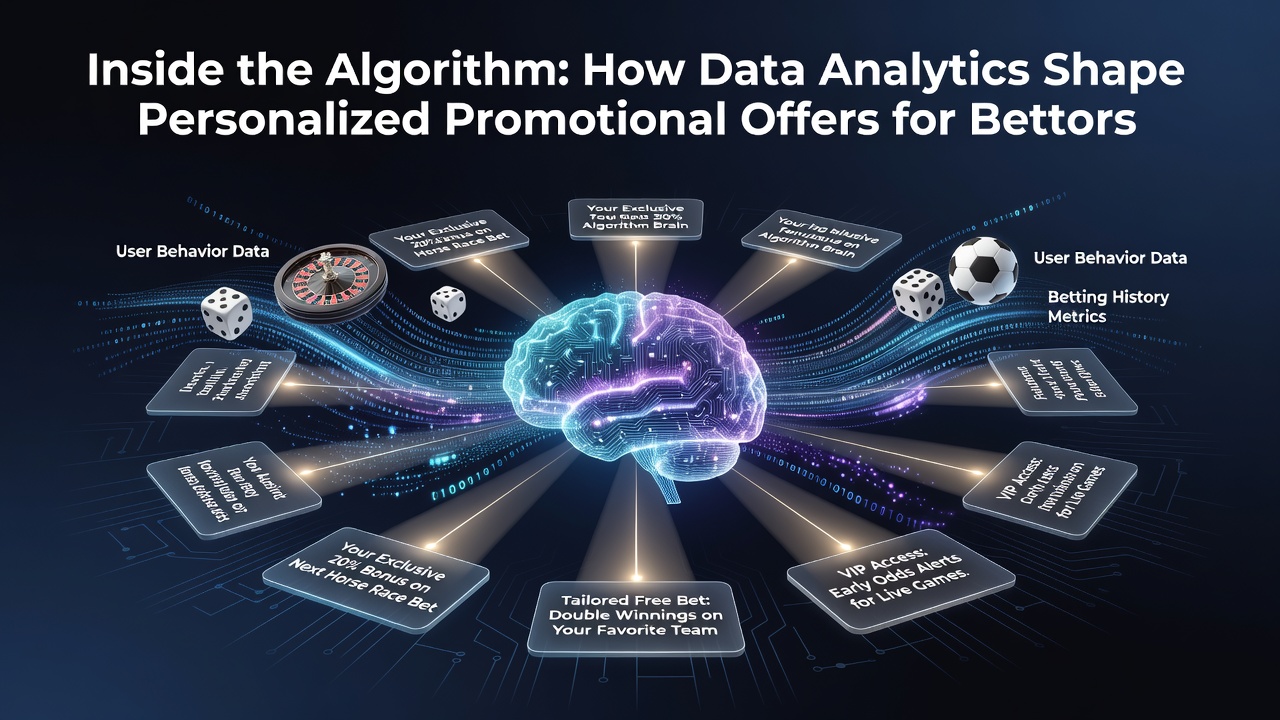
Data analytics now drives the creation of customized promotional offers across the betting sector, where operators collect extensive user information to refine targeting strategies and engagement tactics. Systems track betting histories, session durations, preferred sports or games, deposit patterns, and response rates to prior offers, then feed this information into machine learning models that predict which incentives will likely prompt continued activity. Observers note these processes operate continuously, adjusting in real time as new data arrives from each interaction.
Core Data Inputs and Collection Methods
Operators gather structured datasets that include transaction records, device identifiers, location signals, and behavioral metrics such as time spent reviewing specific markets or odds. These elements combine with demographic details supplied during account registration and external data purchased from analytics providers. Researchers at institutions like the University of Nevada, Las Vegas have documented how these combined sources enable segmentation of user groups into categories based on predicted lifetime value and risk tolerance, allowing offers to scale in generosity or specificity accordingly.
Integration occurs through centralized platforms that standardize inputs from mobile apps, websites, and retail terminals. Algorithms then apply clustering techniques to identify cohorts, such as frequent accumulators or live-bettors, before assigning tailored rewards like boosted odds on selected fixtures or cashback percentages tied to recent loss thresholds. The process avoids blanket distribution because segmented delivery has demonstrated higher redemption rates in multiple industry analyses.
Algorithmic Decision-Making and Offer Generation
Machine learning frameworks process the collected variables through predictive models that output individualized promotion parameters, including bonus amounts, qualifying conditions, and expiration windows. Decision trees and neural networks evaluate thousands of combinations per user session, prioritizing those most likely to align with observed preferences while remaining within operator margin targets. A report issued by the American Gaming Association highlights how these models incorporate A/B testing results from prior campaigns to refine weighting factors over successive iterations.
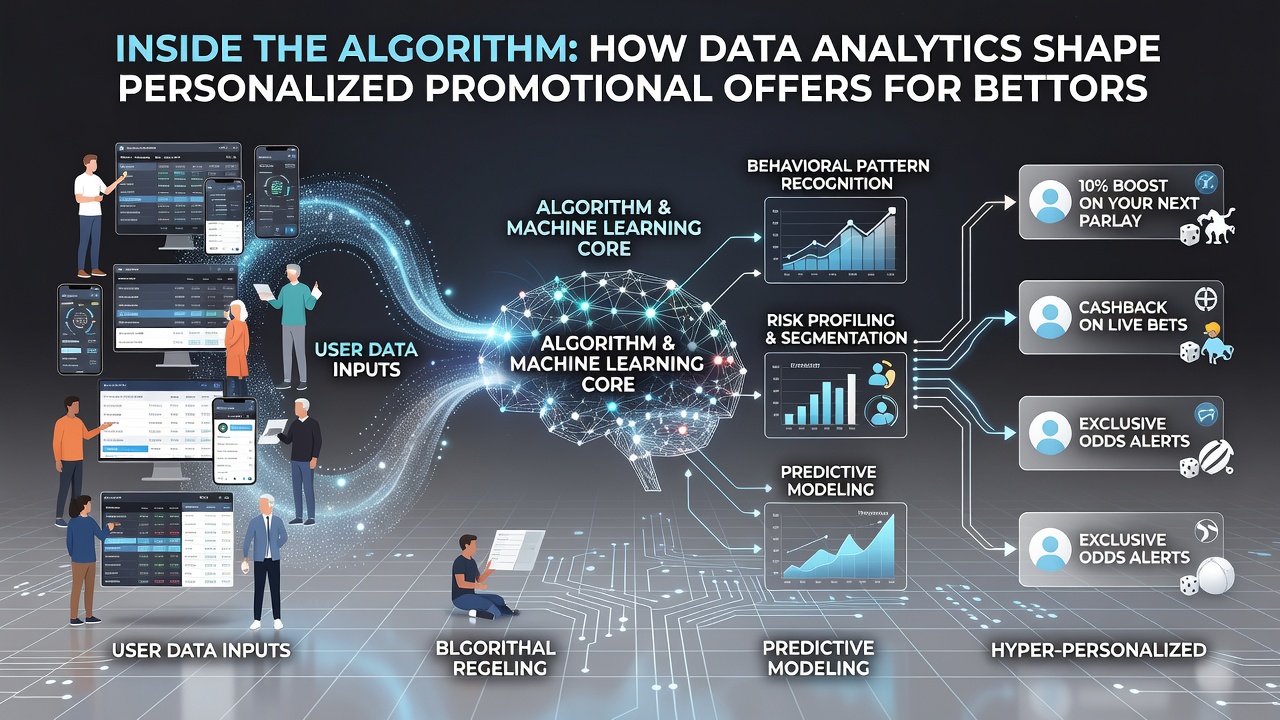
Real-time adjustments happen when live events alter user behavior, prompting immediate recalibration of upcoming offers. For instance, a sudden increase in wagers placed on a particular league may trigger an automated odds enhancement on related selections, delivered via push notification within minutes. Such responsiveness stems from streaming data pipelines that feed directly into the same analytic engines responsible for initial segmentation.
Regulatory Context and Geographic Variations
Frameworks governing data use differ by jurisdiction, with requirements around consent, transparency, and retention periods shaping how operators deploy these systems. In Australia, the Australian Communications and Media Authority enforces standards that mandate clear disclosure of data processing purposes before promotional personalization begins. Meanwhile, several Canadian provinces have introduced guidelines requiring operators to maintain audit logs of algorithmic decisions that affect offer eligibility, creating traceable records for compliance reviews.
Industry bodies continue to monitor developments scheduled around July 2026, when certain regional updates to data protection rules are expected to take effect and may require additional layers of user notification regarding automated decision-making in promotional targeting. Operators have responded by investing in consent management platforms that log preferences at granular levels, ensuring offers remain aligned with expressed permissions.
Impact on User Engagement Patterns
Studies from academic and trade sources indicate that personalized offers correlate with measurable shifts in session frequency and average stake sizes among targeted cohorts. One analysis published through the National Council on Problem Gambling examined longitudinal data across multiple markets and found that users receiving tailored incentives showed increased return visits compared with control groups exposed only to generic promotions. The same work noted variations by product type, with sports bettors responding differently from casino players in terms of preferred reward structures.
Cross-platform tracking further extends these effects, as unified profiles allow offers initiated on one channel to influence suggestions presented elsewhere. This continuity supports sustained engagement cycles while operators track aggregate performance metrics to calibrate future model parameters.
Conclusion
Data analytics have become integral to the design and delivery of promotional offers in betting environments, relying on layered datasets and adaptive algorithms that respond to individual patterns. Regulatory evolution across regions continues to influence implementation details, particularly around consent and transparency, while operators refine technical approaches to balance personalization with compliance. As new data streams and modeling techniques emerge, the mechanisms for shaping these offers will likely incorporate additional variables without altering the core objective of aligning incentives with observed user behavior.