20 May 2026
Inside Cross-Platform Reward Bridges: How Event-Driven Stake Incentives Align Accumulator Success With Deposit-Free Reel Credits in Integrated Ecosystems
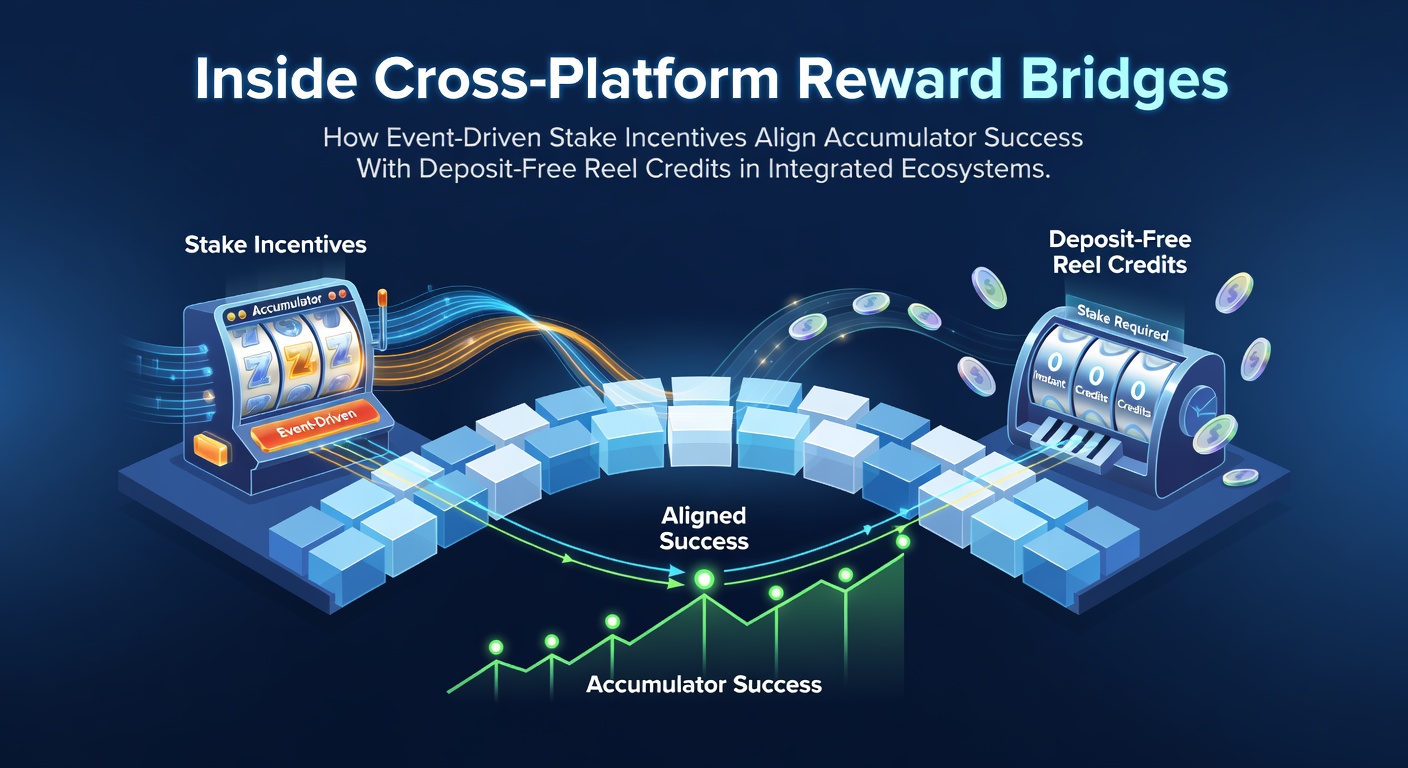
Cross-platform reward bridges connect sports betting accumulators with casino reel credits through event-driven stake incentives that trigger automatically when specific conditions align across an operator's ecosystem. These systems monitor wager patterns in real time and release deposit-free credits once accumulator milestones are reached or sustained over defined periods. Operators deploy the technology to retain users who split activity between live odds markets and slot sessions without requiring separate funding steps for each vertical.
Mechanics of Event-Driven Stake Incentives
Event-driven stake incentives activate based on thresholds such as total stake volume, accumulator leg completion rates, or consecutive settlement outcomes. When a user places a multi-leg parlay that meets predefined criteria the platform logs the activity and queues a corresponding reel credit allocation for the casino side. The process relies on shared user profiles that track both betting and gaming data in a single ledger so incentives flow without manual intervention or additional deposits.
Platforms segment these triggers into tiers where lower-stake accumulators unlock modest credit amounts while higher-volume sequences generate scaled rewards. Data from integrated systems shows that users who complete at least three qualifying accumulators within a seven-day window receive reel credits equivalent to a fixed percentage of their combined stakes. This structure encourages sustained participation across both product lines rather than isolated sessions in one vertical.
Accumulator Success and Credit Alignment
Accumulator success directly feeds credit issuance because operators program the bridge to recognize settlement events from sports markets as qualifying triggers. A successful five-leg parlay that exceeds a minimum total stake therefore releases a proportional no-deposit token for reels, and the credit appears in the casino wallet within minutes of settlement. The alignment reduces friction for users who prefer to move winnings or activity streaks into slot play without separate promotional claims.
Researchers at institutions focused on digital gaming economies have documented how these alignments affect user retention across seasons. One study tracked platforms that introduced bridge mechanics and recorded measurable lifts in cross-vertical session counts during peak football and racing calendars. The same analysis noted that deposit-free reel credits issued through accumulator triggers carried lower average redemption rates than standalone bonuses yet produced higher overall platform time because users explored additional games while the credits remained active.
Integrated Ecosystems and Platform Architecture
Integrated ecosystems combine sportsbooks and casinos under unified accounts so stake data, settlement outcomes, and credit balances update across both interfaces without separate logins. The architecture uses application programming interfaces that push event notifications from the betting engine to the casino reward engine whenever accumulator conditions resolve. This setup supports live adjustments during tournaments or fixture-heavy weekends when accumulator volume spikes and credit releases accelerate accordingly.

Operators in markets preparing for regulatory updates scheduled for May 2026 have begun stress-testing these bridges against new compliance parameters that require clearer disclosure of trigger conditions and credit expiry rules. The changes affect how platforms present the conversion rates between accumulator stakes and reel credits while preserving the automated flow that defines the system.
Regional Variations in Implementation
Markets such as certain Australian states and Canadian provinces apply distinct caps on the size of deposit-free credits that can derive from sports activity. In these jurisdictions the bridge logic incorporates regulatory limits so that reel credits never exceed a set percentage of the originating stake or a fixed daily maximum. Industry reports from bodies like the Alcohol and Gaming Commission of Ontario illustrate how operators adapt the same core technology to satisfy local rules without disrupting the user experience for accumulator players.
European operators meanwhile emphasize transparency in the bridge mechanics by surfacing real-time progress bars that display both accumulator legs and the corresponding credit value still pending. This approach stems from guidelines issued by gaming associations that track digital platform standards across multiple countries and encourage consistent presentation of reward pathways.
Conclusion
Cross-platform reward bridges continue to evolve as operators refine event triggers and expand the range of accumulator outcomes that unlock deposit-free reel credits. The systems rest on shared data architectures that convert sports activity into casino incentives while meeting emerging compliance requirements expected in 2026. Observers tracking these developments note that the core alignment between stake incentives and credit releases remains consistent even as regional rules introduce new presentation and limit adjustments.