19 Jun 2026
How Deposit-Free Tokens Shape Real-Time Adjustments in Live Event Markets
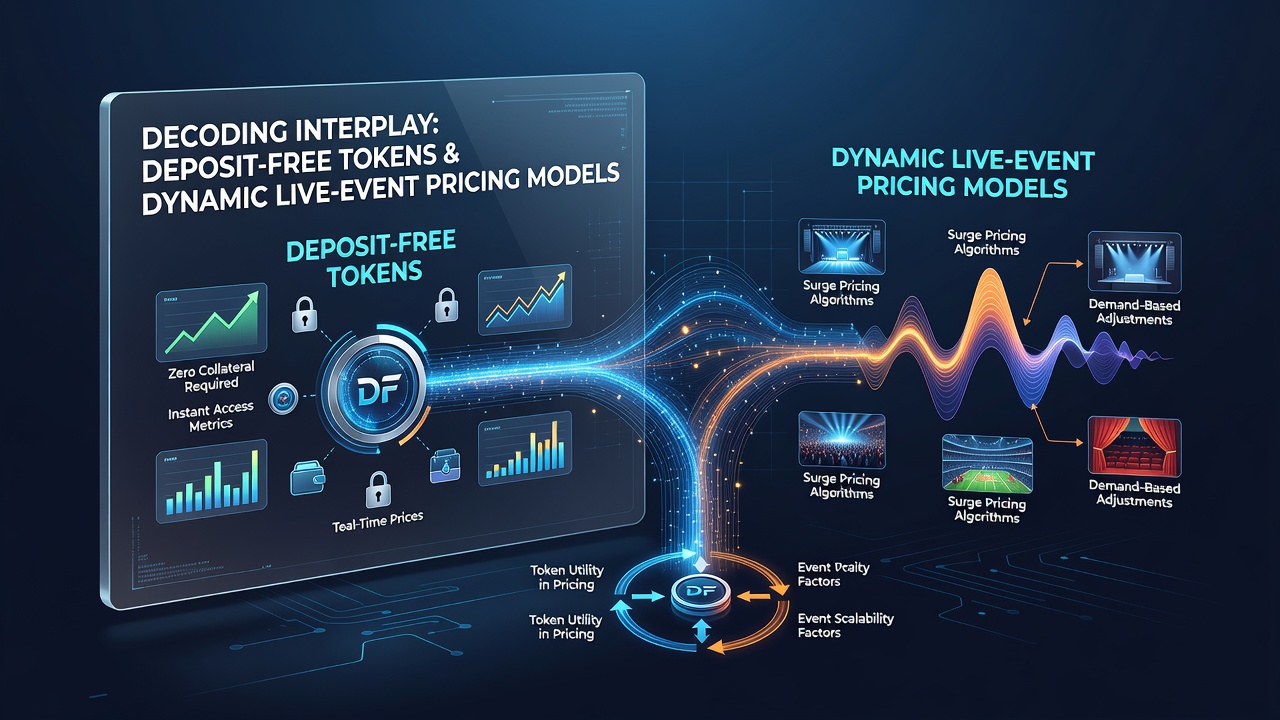
Deposit-free tokens function as entry points that allow participants to engage with platforms without initial financial commitments, while dynamic live-event pricing models adjust costs based on real-time demand, participant behavior, and event developments. These elements connect through mechanisms where initial access incentives influence subsequent pricing fluctuations during events such as sports matches, concerts, or competitive streams.
Core Mechanics of Deposit-Free Tokens
Platforms issue deposit-free tokens in various formats including credits, spins, or entry vouchers that users redeem directly upon registration or through promotional channels. Research from the National Council on Problem Gambling indicates these tokens expand initial user pools by removing upfront barriers, which in turn generates data on engagement patterns that operators feed into pricing algorithms. Observers note that token distribution often spikes ahead of major live events, creating baseline participation levels that inform later adjustments.
Those who track industry reports from the Canadian Gaming Association find that token redemption rates climb during high-profile occurrences, supplying platforms with immediate feedback on user retention. This feedback loop supports pricing shifts because operators observe how token users respond to early offers before scaling costs as events progress and demand intensifies.
Dynamic Pricing in Live Events
Dynamic pricing systems recalculate values continuously using inputs like remaining inventory, participant volume, and external factors such as weather or team news. Data from European betting associations show these models respond within seconds to changes in live conditions, raising or lowering thresholds to balance supply and demand. Experts observe that pricing becomes more volatile once an event starts, as algorithms incorporate fresh streams of activity data.
Integration Points Between Tokens and Pricing
Deposit-free tokens feed into pricing systems at the point where initial users convert into active participants. When token holders begin placing activity during an event, their patterns contribute to aggregate demand signals that trigger price recalibrations. One study from academic researchers at the University of Nevada, Reno revealed that platforms using both systems see faster price stabilization after the first wave of token-driven entries because early data points reduce uncertainty in the models.
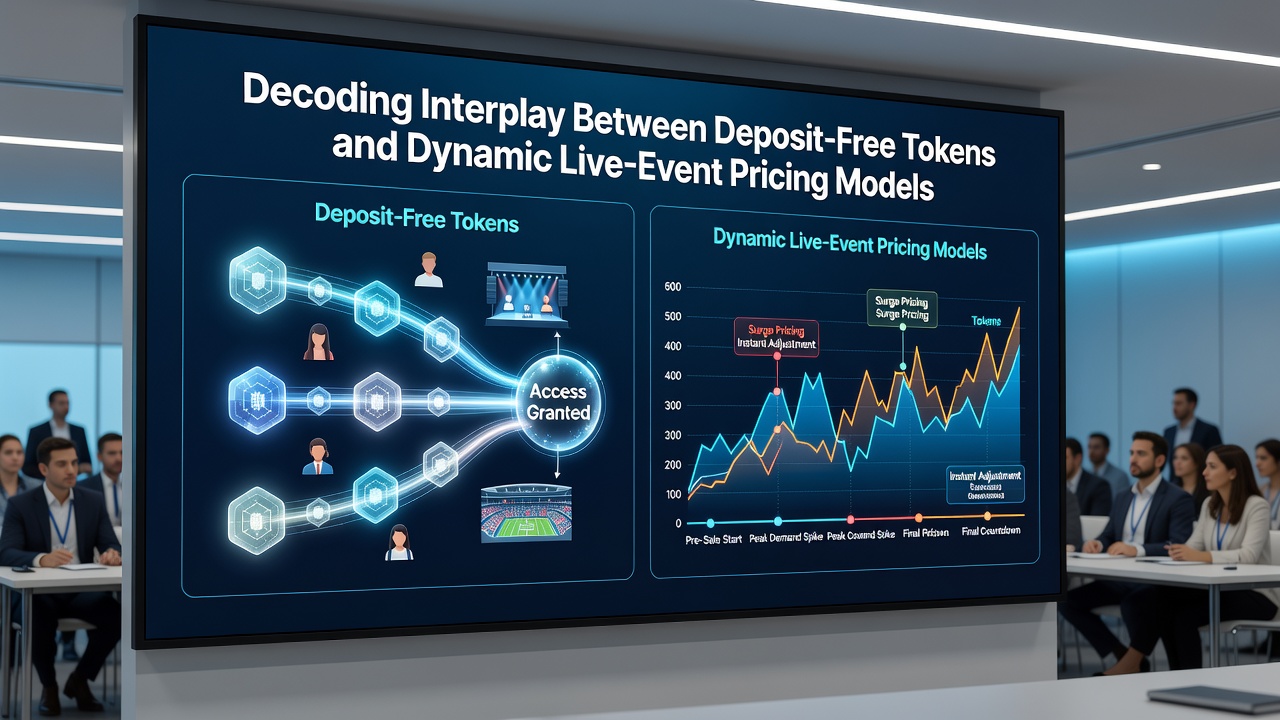
Platforms apply segmented pricing where token users encounter different adjustment speeds compared with direct payers. Figures from industry analyses indicate this segmentation helps maintain overall market balance while encouraging broader initial involvement. In June 2026, several operators plan to test enhanced token-to-pricing linkages that incorporate machine learning predictions of user lifetime value derived from token interactions.
Market Data and Observed Patterns
Statistics compiled by the Australian Communications and Media Authority highlight increased token usage correlating with sharper pricing movements in live digital events. Those patterns emerge because token recipients often explore multiple options early, which spreads activity across pricing tiers and prompts quicker recalibrations. Researchers have documented cases where token campaigns precede events by 48 hours, allowing pricing engines to build more accurate baseline forecasts.
Platform operators report that token-driven entries account for measurable portions of total volume in live settings, according to aggregated figures released by international gaming research groups. This volume influences how dynamic models allocate inventory across different user segments throughout the duration of an event.
Future Adjustments and Regulatory Context
Regulatory bodies in multiple jurisdictions continue to examine how deposit-free mechanisms intersect with real-time pricing tools. Reports prepared for upcoming policy reviews note the need for transparent data handling when token activity shapes live price changes. In regions outside the UK, such as parts of North America and Asia-Pacific markets, authorities have requested additional disclosures on these interactions ahead of mid-2026 implementation windows.
Operators adjust their systems accordingly, incorporating compliance layers that log token redemptions alongside pricing decisions. Evidence from pilot programs shows these layers help maintain consistent application of rules while preserving the responsiveness of dynamic models.
Conclusion
The connection between deposit-free tokens and dynamic live-event pricing rests on shared data flows that begin with token access and extend through event-specific recalibrations. Market participants track these flows through redemption metrics and price movement records, while external organizations compile supporting statistics. As systems evolve toward 2026, documented patterns suggest continued refinement of how initial incentives inform ongoing pricing decisions across live platforms.