1 Jul 2026
Following the Trails of Amplified Rewards in Blended Sports Betting and Casino Ecosystems
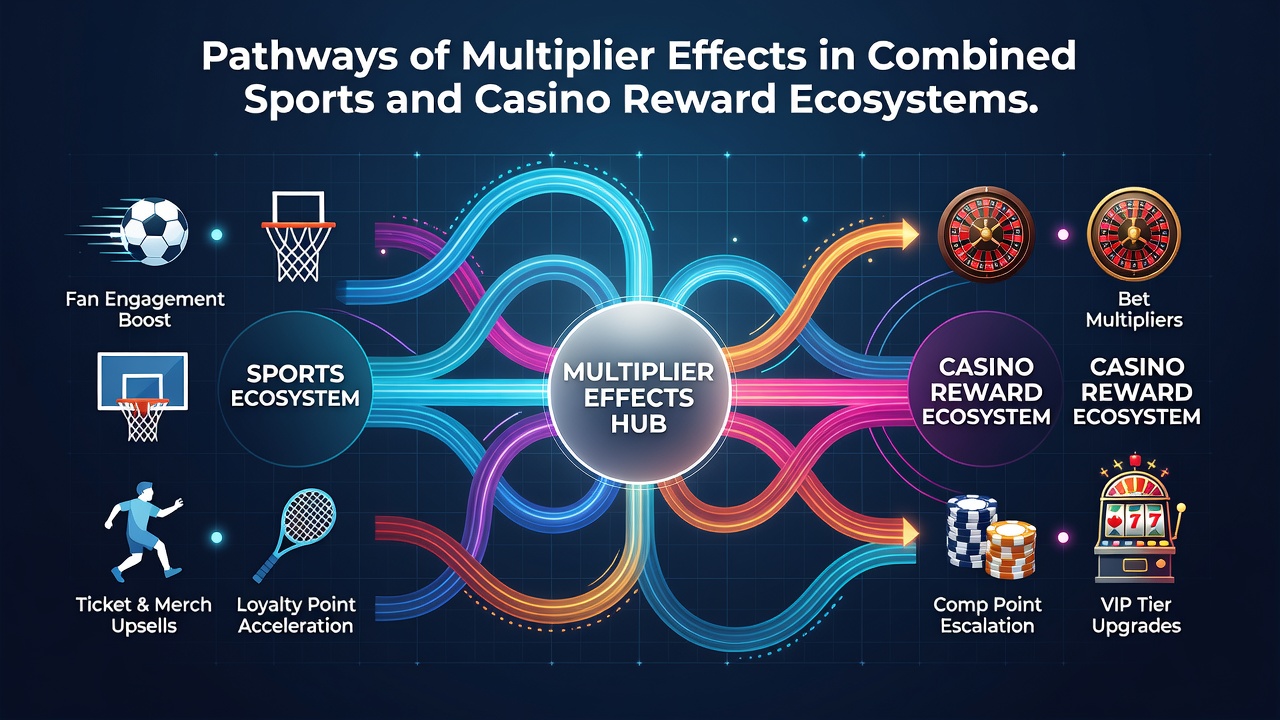
Combined reward structures in sports betting and casino environments create interconnected pathways where initial incentives generate subsequent value through layered mechanics. Data from industry analyses shows these systems operate via sequential triggers, where a sports free bet completion unlocks casino deposit matches that then feed back into additional betting credits. Observers note the process begins with user activation of a primary offer, followed by wagering requirements that branch across platforms.
Core Mechanisms Driving Cross-Platform Flows
Operators design these ecosystems so that sports outcomes influence casino access points directly. A completed accumulator bet, for instance, often releases no-deposit spins while simultaneously adjusting live odds thresholds for the next event cycle. Researchers at academic institutions tracking promotional data have mapped how these chains rely on shared loyalty ledgers that track activity across verticals without resetting balances daily. The pathways gain complexity when time-limited boosts align with tournament schedules, allowing a single deposit to satisfy multiple rollover conditions at once.
Figures from European gaming associations indicate that hybrid accounts experience higher retention rates because the multiplier effect compounds through sequential unlocks rather than isolated promotions. One pathway traces a sports stake that qualifies for casino cashback, which converts into free spins whose winnings return as sports betting vouchers. This loop maintains momentum as long as users meet staggered deadlines that operators set to encourage continued engagement.
Pathway Examples in Current Market Configurations
Take a typical sequence where a user claims an odds boost on a football match. Upon settlement the resulting credit transfers automatically to a linked casino wallet, triggering a multiplier on the next slot session. Those who've examined transaction logs find that such transfers occur within minutes of verification, creating near-instant crossover value. Another documented route starts with casino play that earns sports-specific tokens redeemable only during live events, effectively reversing the direction of the multiplier flow.
According to reports compiled by the Australian Gambling Research Centre, these bidirectional routes appear more frequently in markets where operators hold licenses across both verticals. The data reveals that July 2026 will see several platforms update their integration protocols to handle simultaneous multi-vertical wagers, potentially shortening the interval between sports settlement and casino activation. This adjustment aims to reduce friction points that currently interrupt multiplier chains when users switch applications mid-sequence.
Measurement of Cumulative Amplification
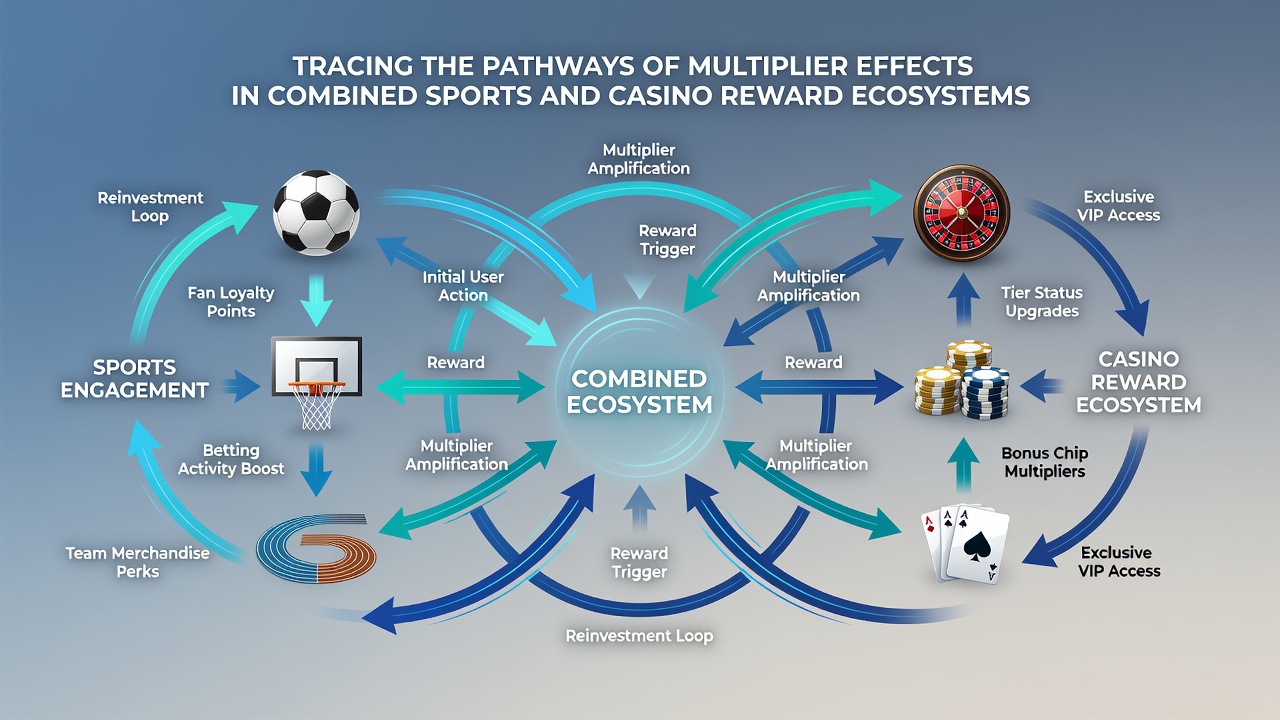
Quantifying the overall multiplier requires tracking effective value across an entire reward cycle rather than individual offers. Industry studies calculate this by dividing total returned credits by the initial promotional input, accounting for losses at each conversion stage. Evidence suggests that well-structured ecosystems achieve multipliers between 1.8x and 3.2x when users navigate both sports and casino segments within a single promotional window.
Those monitoring operator dashboards note that seasonal events accelerate these ratios because overlapping sports calendars and casino tournaments create additional entry points. The pathways become denser during major competitions, with one incentive feeding another through shared progress bars that users view in unified account interfaces. Canadian regulatory summaries have highlighted similar patterns in provinces where integrated operators publish aggregated reward statistics.
Regulatory Context Shaping Pathway Design
Frameworks established by bodies such as the Nevada Gaming Control Board influence how operators structure these combined systems, particularly regarding wager attribution across verticals. Updates scheduled for implementation around July 2026 focus on transparency requirements for cross-product transfers, ensuring users receive clear statements of how one activity affects another. This regulatory layer adds documentation steps that operators must embed into the reward pathways without disrupting the flow.
Academic papers from research centers in the United States have examined how these rules affect multiplier velocity, finding that clearer disclosure correlates with longer user sessions across both sports and casino products. The pathways adapt by incorporating explicit confirmation screens that log each transfer, creating auditable trails while preserving the sequential nature of the incentives.
Conclusion
Integrated sports and casino reward ecosystems function through mapped sequences where initial activations generate layered outcomes across platforms. Available data illustrates consistent patterns of value transfer that operators refine in response to both user behavior and external regulatory timelines. As configurations evolve toward July 2026, the documented pathways continue to reflect measurable amplification when users engage the full range of available triggers.