24 Jul 2026
Decoding Loyalty Tiers: Tracing the Interplay Between Deposit Matches and In-Play Enhancements in Operator Portfolios
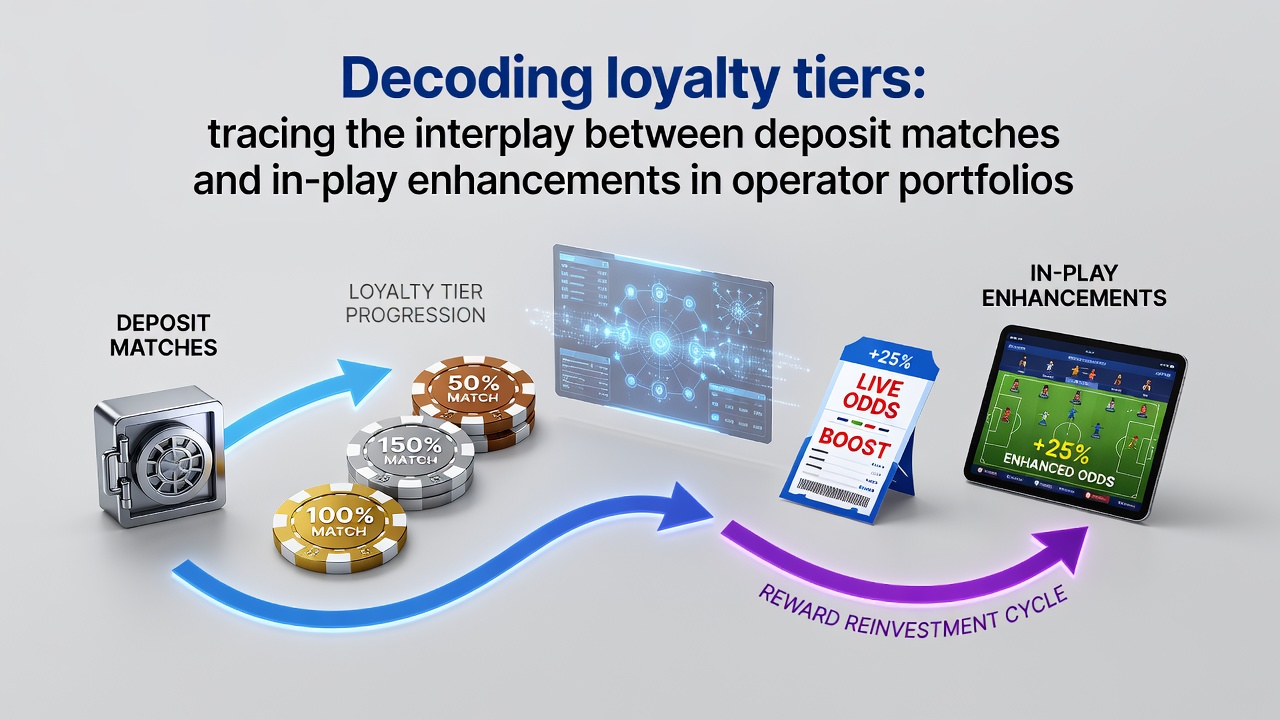
Operators structure loyalty tiers as progressive levels that reward consistent activity through escalating benefits, and these systems integrate deposit matches with in-play enhancements to shape player engagement across portfolios. Deposit matches function as initial incentives where operators credit a percentage of a player's deposit, often ranging from 50% to 200% up to specified caps, while in-play enhancements deliver real-time adjustments such as boosted odds or cashback on live wagers. Data from industry analyses shows these elements combine to retain participants by layering entry rewards with ongoing performance incentives.
Research indicates that tier progression typically requires accumulated points from deposits, wagers, and session duration, with higher tiers unlocking superior match percentages alongside priority access to in-play tools like dynamic multipliers and exclusive live markets. Those who've examined operator portfolios note that lower tiers emphasize deposit matches to attract new funds, whereas advanced tiers shift focus toward in-play enhancements that encourage prolonged live betting sessions. This transition reflects portfolio strategies where operators allocate resources to balance acquisition costs against retention metrics.
Loyalty Tier Mechanics in Operator Systems
Operators define tier thresholds through point systems tied directly to deposit volume and betting turnover, creating pathways where participants advance by meeting quarterly or monthly targets. According to reports from the American Gaming Association, such structures appear across multiple jurisdictions and correlate with increased average revenue per user as players climb levels. In-play enhancements at elevated tiers often include features like instant odds adjustments during events and personalized live bet suggestions, which integrate with prior deposit matches to compound value.
What's interesting is how these mechanics operate in sequence: a deposit match initiates the cycle by inflating the playable balance, and subsequent in-play tools then amplify returns on that augmented stake. Observers note that operators track these interactions through analytics platforms to refine tier criteria, ensuring the deposit component fuels entry while in-play options sustain momentum through events.
Deposit Matches as Foundation Elements
Deposit matches serve as core acquisition tools within loyalty frameworks, and operators calibrate them based on tier status to differentiate entry points. Lower tiers commonly feature standard matches funded through marketing budgets, while mid and upper tiers incorporate enhanced versions that stack with loyalty points for multiplied credits. Figures from gaming industry reports reveal that these matches frequently carry wagering requirements scaled to tier level, which influences how players convert the initial boost into sustained activity.
Operators further connect deposit matches to in-play enhancements by applying bonus funds eligible for live betting promotions, creating seamless transitions from deposit to live engagement. One study revealed that portfolios employing this linkage experience measurable upticks in live betting volume during major sporting calendars, as the matched funds extend playing time in dynamic markets.
In-Play Enhancements and Their Integration
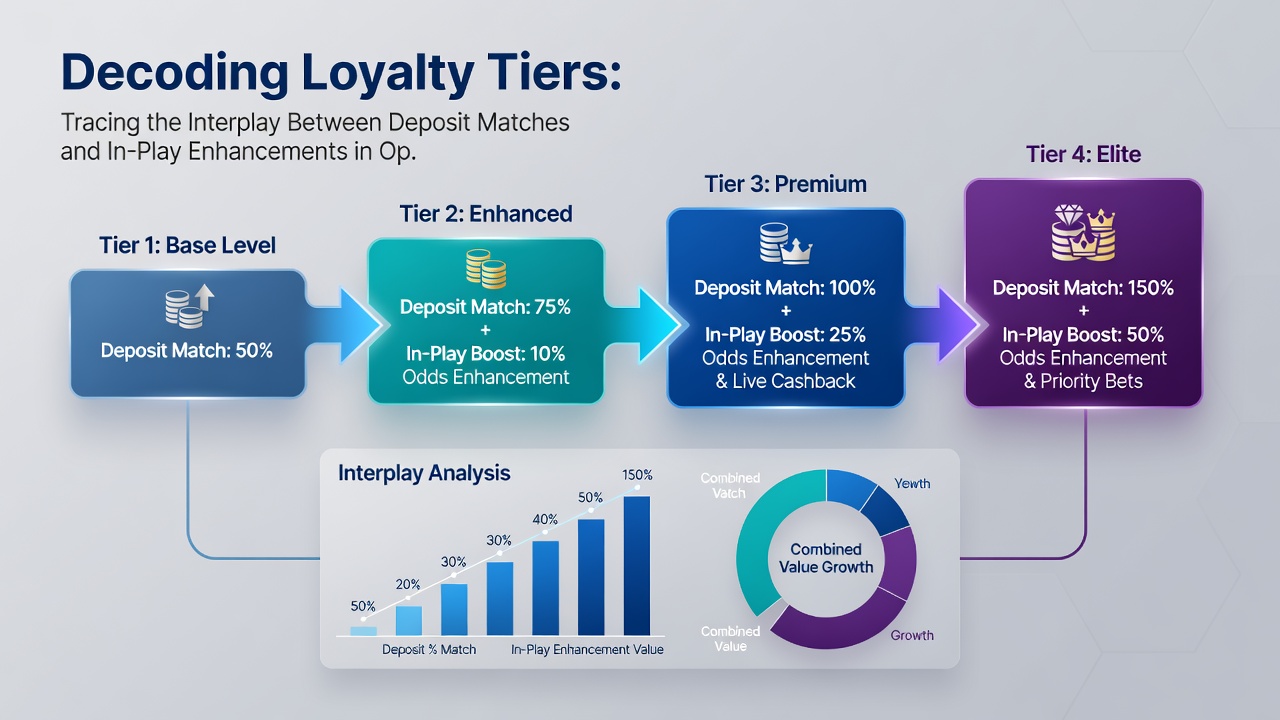
In-play enhancements encompass live odds surges, cash-out optimizations, and event-specific multipliers that operators reserve or upgrade for higher loyalty tiers. These tools activate during matches or races, allowing participants to adjust positions with enhanced payouts derived from their original deposit match allocations. Research from academic sources such as the International Center for Gaming Regulation indicates that such enhancements drive measurable session extensions when paired with tiered deposit structures.
Operators deploy these features through mobile applications that sync tier status in real time, enabling instant application of boosts to live wagers funded partly by matched deposits. Data shows integration occurs via backend systems that flag eligible accounts during events, thereby tracing direct interplay between the initial deposit layer and subsequent in-play actions. July 2026 regulatory updates in several regions are expected to influence disclosure requirements around these combined offerings, prompting operators to adjust visibility of tier-based enhancements.
Portfolio Strategies Across Jurisdictions
Portfolios managed by international operators demonstrate varied approaches to blending deposit matches with in-play elements, often adapting to local market demands while maintaining core tier logic. In Australia, for instance, operators align these features with seasonal sports calendars to maximize live engagement from matched funds. Those studying cross-border trends find that European portfolios emphasize in-play multipliers at top tiers to differentiate from competitors focused on deposit volume alone.
Turns out the interplay manifests in performance data where players who utilize deposit matches for initial deposits show higher conversion rates to in-play betting when tier benefits activate. Industry organizations like the European Gaming and Betting Association track these patterns through aggregated operator submissions, highlighting how portfolio design influences overall retention without relying on single-region regulatory inputs.
Conclusion
Operator portfolios continue to evolve loyalty tiers by calibrating deposit matches as entry mechanisms and in-play enhancements as retention drivers, with data confirming their interconnected role in player progression. This structure allows operators to allocate resources across acquisition and live engagement phases while meeting emerging compliance standards projected for mid-2026. Evidence from multiple sources underscores the measurable impact of these combined elements on portfolio performance metrics.