5 Aug 2026
Coordinated Incentive Structures Connecting Variable Event Valuations to First-Time Registrations Across Rival Platforms
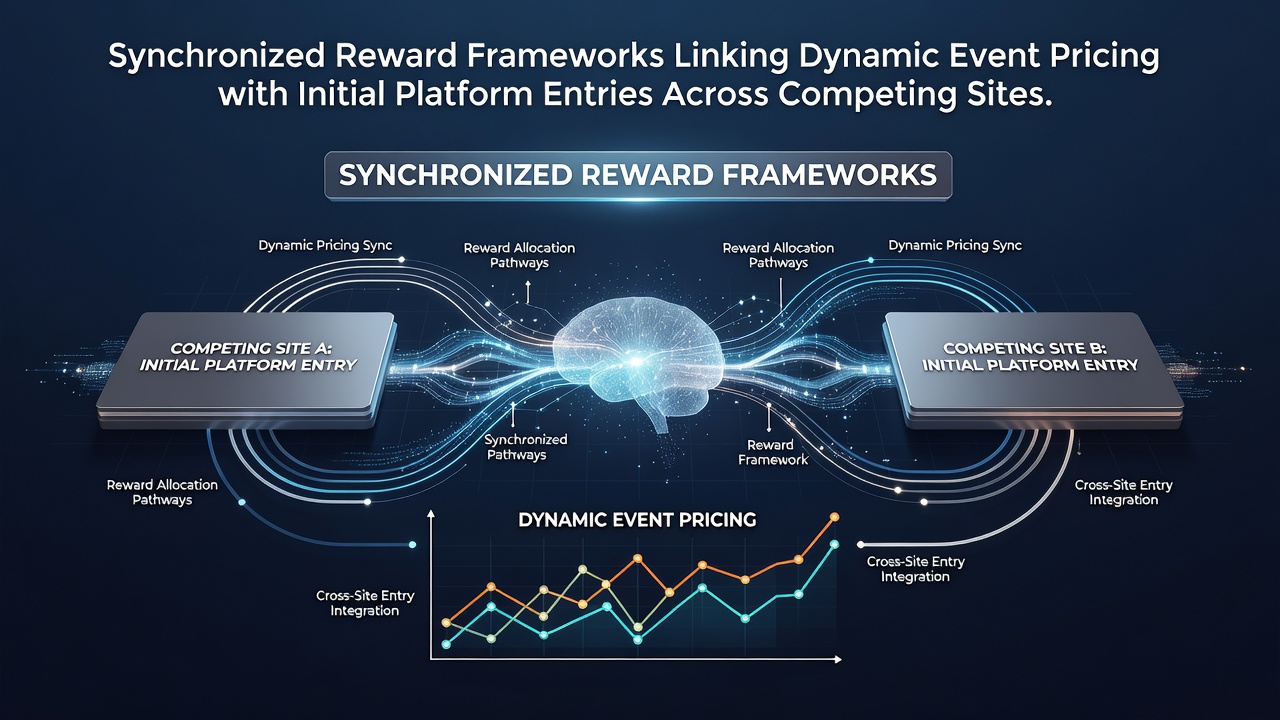
Operators in competitive digital markets have developed coordinated incentive structures that connect variable event valuations directly to the moment users complete initial platform registrations. These frameworks adjust promotional values in real time based on event pricing fluctuations, and they activate across separate sites to capture users at the point of first entry. Data from industry tracking services shows this approach gained traction in mid-2025 as platforms sought to differentiate onboarding experiences amid rising competition.
Mechanics of Dynamic Linkage
Dynamic event pricing refers to the real-time adjustment of odds, stake limits, and bonus multipliers tied to specific occurrences such as sports fixtures or casino game rounds. When these prices shift, synchronized reward systems trigger corresponding adjustments in welcome packages or first-deposit incentives on linked platforms. A user registering on one site may receive an offer scaled to current valuations, while the same profile data feeds into parallel systems on competing sites to present complementary entry rewards. Researchers at the University of Sydney's Gambling Research Centre documented similar patterns in a 2025 analysis of multi-operator data flows, noting that these linkages rely on shared application programming interfaces rather than manual coordination.
Platforms implement these connections through centralized user verification layers that permit rapid transfer of eligibility signals without exposing full account details. The result appears in staggered offer presentations where a new registration on Site A unlocks a pricing-linked credit on Site B within the same session window. Industry reports indicate average activation times now fall below 90 seconds in systems using standardized verification protocols.
Cross-Site Activation Patterns
Competing operators maintain separate user bases yet participate in shared reward ecosystems through third-party clearing houses. These intermediaries track registration timestamps and apply pricing multipliers drawn from live event feeds. One documented case involves three major European platforms that synchronized summer 2025 football tournament promotions, where initial entries on any single site generated scaled free bet credits on the others based on fluctuating match odds. The European Gaming and Betting Association published aggregate figures in July 2025 showing a 17 percent rise in first-time multi-platform activity during such coordinated periods compared with the prior year.
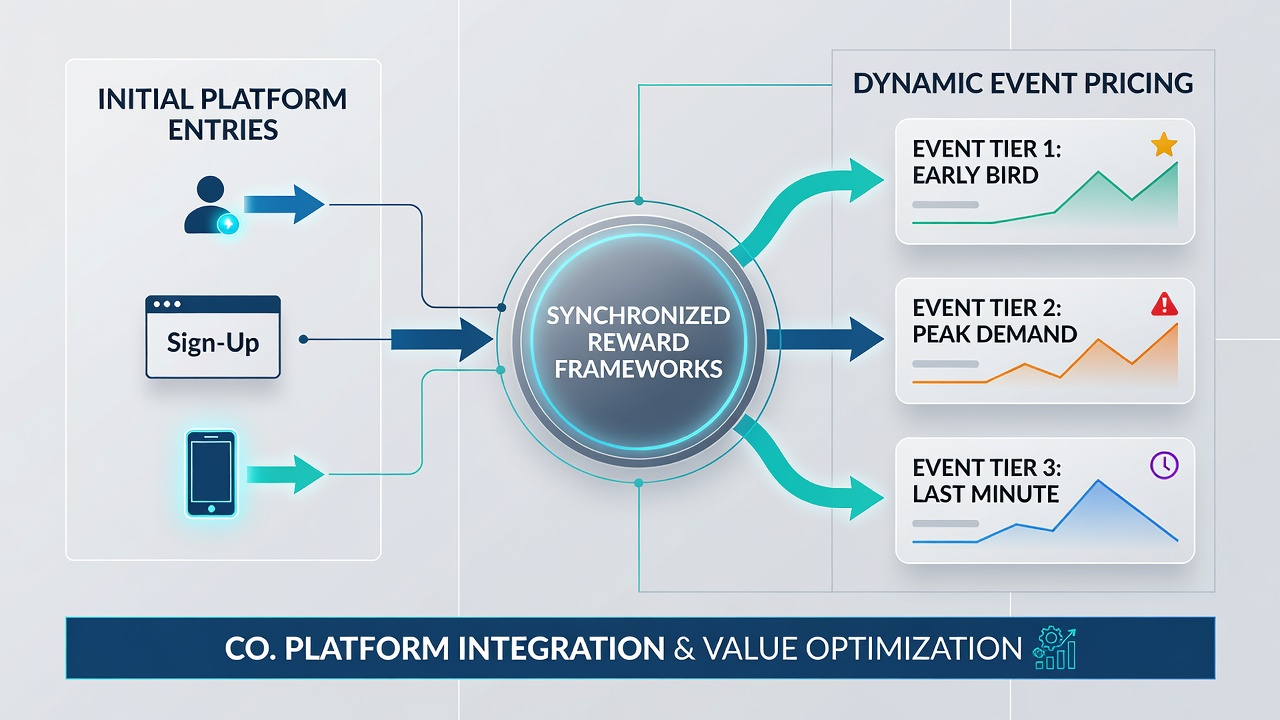
August 2026 marks the scheduled rollout of updated data-sharing standards across several regional markets, which observers expect will further streamline these linkages by mandating common timestamp formats and pricing feed specifications. Platforms already testing the new protocols report reduced latency in reward delivery and fewer instances of mismatched offer values. Those standards also require clearer disclosure of how dynamic pricing influences entry rewards, addressing concerns raised in earlier regulatory consultations.
Impact on User Acquisition Metrics
Acquisition teams measure success through registration-to-deposit conversion rates and cross-platform retention within the first seven days. Figures released by North American gaming analytics firms in early 2026 indicate that synchronized frameworks produce conversion lifts of 12 to 19 percent when dynamic pricing aligns with high-volatility events. The same datasets reveal that users who encounter linked offers across two sites within 48 hours of initial registration show higher average session durations on subsequent visits.
Yet these gains depend on precise timing. When pricing shifts occur after the registration window closes, conversion advantages diminish sharply. Operators therefore invest in predictive modeling that forecasts event valuation ranges 24 to 48 hours ahead, allowing pre-registration reward tiers to be set before users complete onboarding. Academic papers from Canadian research institutions have examined these forecasting models, highlighting their reliance on historical pricing volatility rather than forward-looking event outcomes.
Technical and Compliance Considerations
Implementation requires robust API gateways that handle simultaneous pricing queries from multiple operators while maintaining audit trails for regulatory review. Compliance teams verify that reward values remain proportionate to the linked event pricing and that no single platform gains unfair advantage through delayed data feeds. In jurisdictions outside the United Kingdom, such as certain Australian states and Canadian provinces, licensing conditions now include explicit requirements for transparent synchronization logs that regulators can access on request.
Security protocols encrypt registration signals and pricing multipliers during transit to prevent interception or manipulation. Penetration testing conducted by independent firms in 2025 identified residual vulnerabilities in legacy synchronization modules, prompting several operators to migrate to newer encryption standards ahead of the August 2026 deadline.
Conclusion
Synchronized reward frameworks represent an operational evolution in how platforms manage variable event pricing alongside new user entries. The mechanisms rely on shared technical standards, third-party intermediaries, and forward-looking compliance measures that continue to develop ahead of the 2026 regulatory updates. Data from multiple regions demonstrates measurable effects on acquisition metrics, while technical safeguards address the complexities of real-time cross-site coordination. As standards mature, the structures are expected to maintain their role in competitive user onboarding environments without requiring further major architectural shifts.