17 May 2026
Charting loyalty ladder mechanics: dissecting how recurring wager credits evolve into tiered multiplier systems during extended tournament cycles across digital platforms
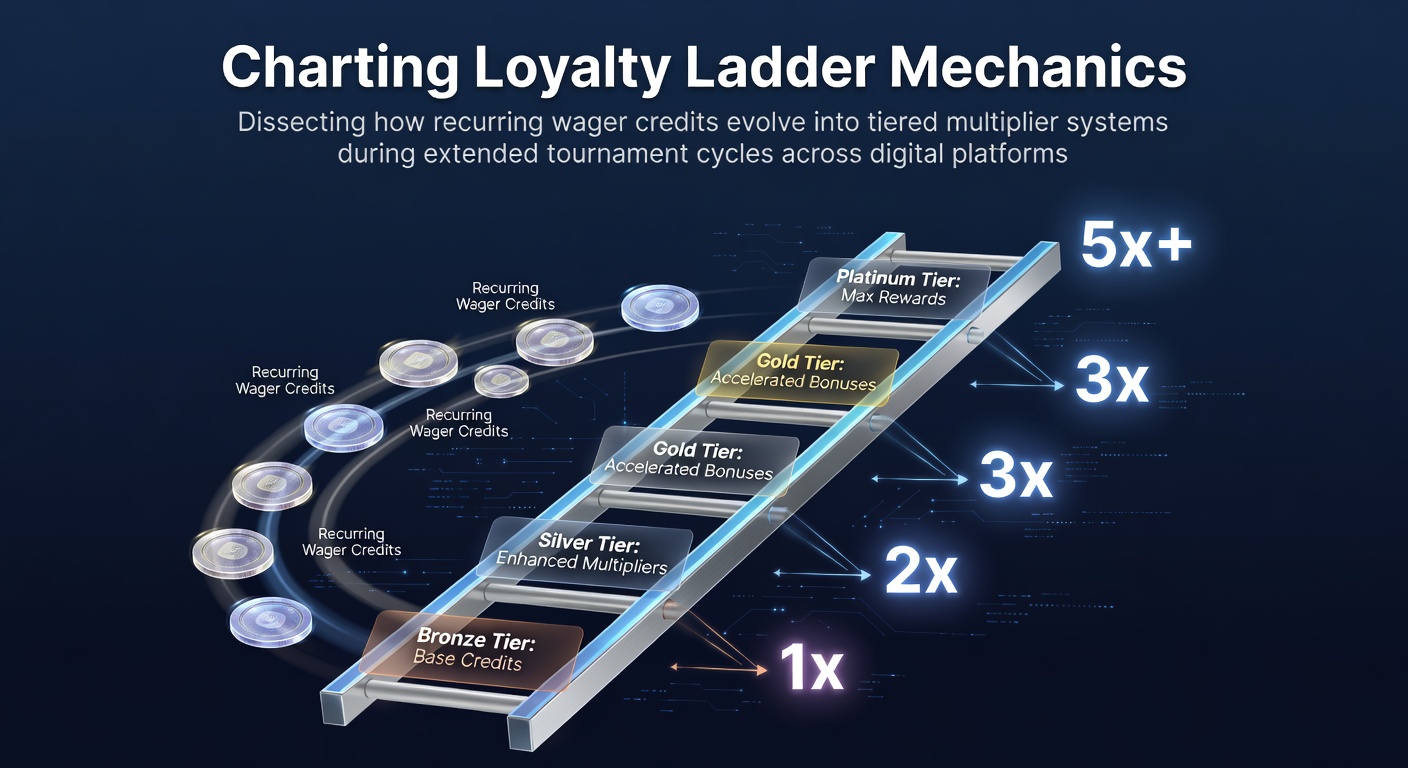
Digital platforms have refined loyalty systems over the past decade so that recurring wager credits accumulate in structured sequences and convert into tiered multipliers that activate during long-running tournament cycles. These mechanics rely on tracked betting activity where each wager generates credits that feed directly into a progression ladder, and operators adjust the credit thresholds and multiplier values according to cycle length and player volume data.
How wager credits feed into tier progression
Operators award credits on a per-wager basis, often scaling the rate according to bet type and stake size, while the credits themselves carry forward across sessions and accumulate toward specific tier gates. Research from industry tracking services shows that credit conversion rates typically increase once a player crosses from base level into the first reward tier, and this acceleration continues through subsequent gates because higher tiers unlock additional credit-earning multipliers that compound during active tournament periods.
Platforms maintain separate tracking logs for tournament-specific wagers, which means credits earned inside an extended cycle receive priority weighting when the system calculates final tier placement. Data from multiple operators indicates that this weighting can raise effective credit values by 15 to 40 percent compared with standard play outside tournament windows, and the adjustment occurs automatically once the cycle timer begins.
Tiered multiplier activation during extended cycles
Once a player reaches a given tier, the associated multiplier applies to future wagers or to accumulated rewards, and these multipliers remain active for the remainder of the tournament cycle. Extended cycles, which can span several months, allow multipliers to compound across repeated wager sequences because each new credit batch receives the current tier rate before rolling into the next gate calculation. Observers note that this rolling mechanism keeps engagement steady because players see incremental gains that build toward larger end-of-cycle payouts.
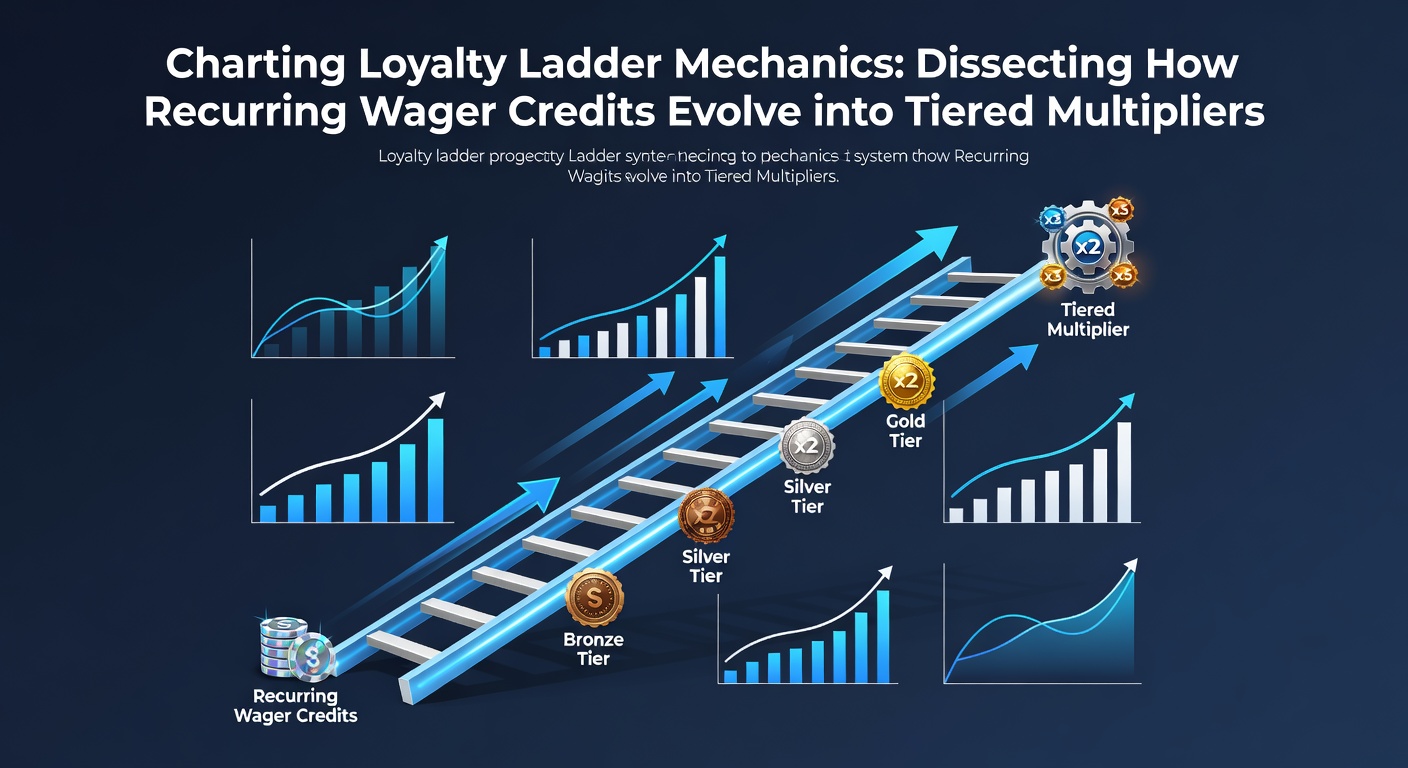
Multipliers commonly range from 1.2x at the first gate to 3.0x or higher at top tiers, yet the exact values shift according to cycle duration and total player participation metrics. A platform may raise the top-tier multiplier midway through a cycle if overall wager volume falls below projected targets, and this adjustment occurs without resetting existing credit balances for players already positioned in lower gates.
Platform adjustments ahead of May 2026 market shifts
Industry reports indicate that several major digital operators began recalibrating loyalty parameters in late 2025 to accommodate anticipated regulatory and tax changes scheduled for May 2026. These recalibrations include lengthening certain tournament cycles and tightening credit thresholds so that higher multipliers activate only after greater cumulative wager volumes. The changes aim to maintain player retention while aligning reward structures with new compliance requirements that take effect across multiple jurisdictions.
One documented case involved a European-facing platform that extended its flagship tournament from 12 weeks to 18 weeks and simultaneously introduced an intermediate tier between the second and third gates. Credit accumulation rates for the new tier were set at 1.5 times the base rate, which allowed players to reach the top multiplier without requiring an immediate jump in total stake volume. Figures released by the operator showed a 22 percent increase in active accounts during the first month after the adjustment.
Comparative mechanics across regions
North American platforms tend to emphasize rapid tier advancement within shorter sub-cycles that nest inside longer seasonal events, whereas Australian and Asian operators often maintain flatter ladders with slower credit accrual but more stable multiplier values throughout the full tournament window. A comparative analysis published by the American Gaming Association highlights that these regional differences produce distinct engagement patterns, with North American users showing higher short-term credit turnover and Australian users demonstrating longer retention once they reach mid-tier status.
Canadian provincial regulators have also published usage statistics that reveal how credit-to-multiplier conversion rates influence overall handle during multi-month events. Those statistics demonstrate that players who reach the second tier within the first third of a cycle contribute disproportionately to total wager volume in the remaining weeks, and operators have responded by front-loading introductory credit bonuses to accelerate early progression.
Conclusion
Loyalty ladder systems continue to evolve as operators refine credit accumulation rules and multiplier scaling to fit extended tournament formats. The transition from base wager credits to tiered rewards remains governed by transparent thresholds and cycle-specific weighting, while upcoming market adjustments scheduled for May 2026 are already prompting structural revisions across platforms. Data from regulatory bodies and industry associations confirm that these mechanics directly affect player behavior and platform revenue without requiring subjective interpretation of outcomes.