Cascading Bonus Chains Explained: Sequential Free Bets Meet No-Deposit Tokens for Non-Stop Casino Action
15 Apr 2026
Cascading Bonus Chains Explained: Sequential Free Bets Meet No-Deposit Tokens for Non-Stop Casino Action
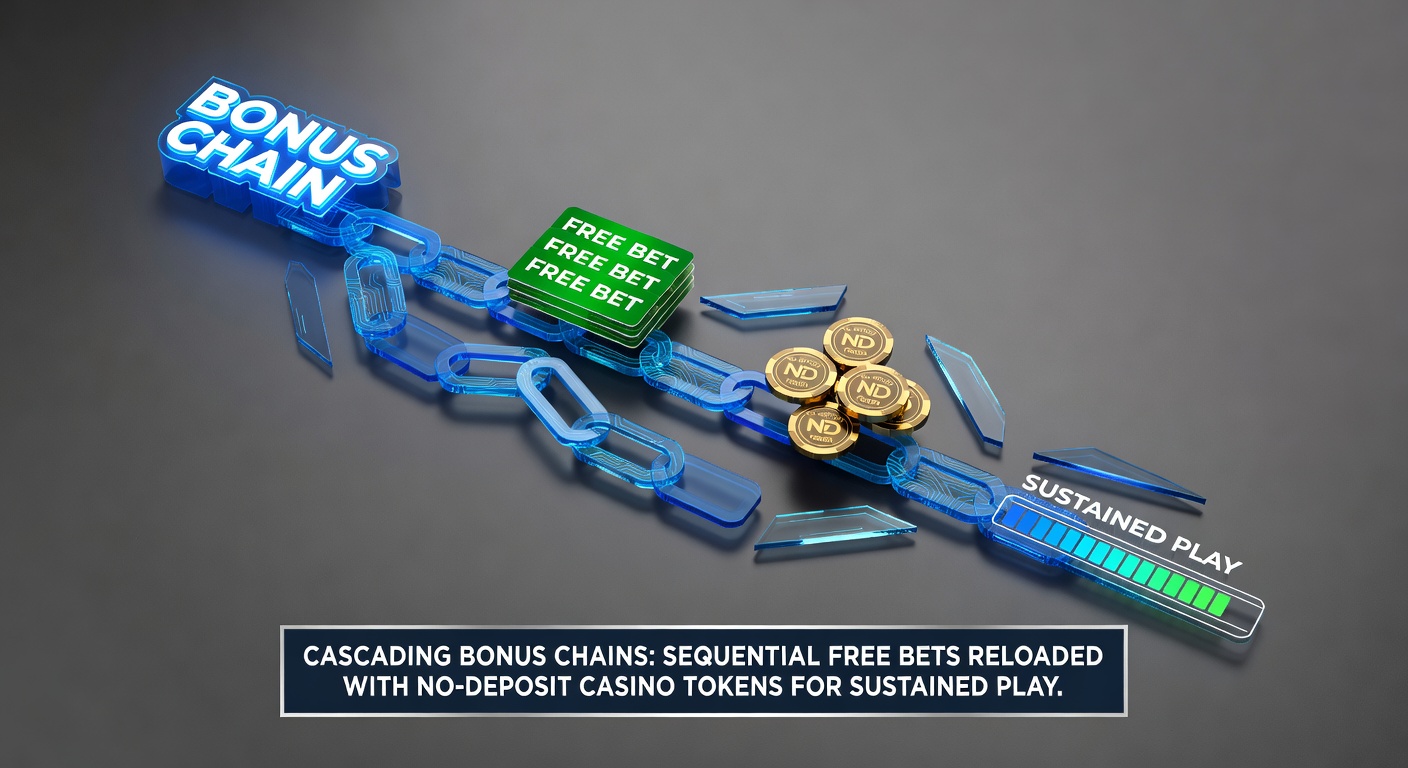
Operators in the online gaming world have rolled out cascading bonus chains, structures where initial free bets trigger subsequent offers, often reloaded with no-deposit casino tokens that extend play without requiring fresh funds from players; this setup, popular across platforms, keeps sessions alive through linked promotions, and data from industry trackers shows uptake rising steadily as bettors chase prolonged engagement.
The Core Mechanics of Cascading Bonus Chains
Cascading bonus chains start simple: a player claims an initial free bet, say on a sports event or slot spin, and upon settlement—win or lose—that bet unlocks the next layer, perhaps another free wager or a bundle of no-deposit casino credits; researchers at the American Gaming Association note how these chains mimic loyalty loops, with each step feeding into the next, so one modest promo snowballs into hours of activity.
But here's the thing: not all chains cascade equally; some cap at three tiers, while others stretch to five or more, depending on the operator's terms, and figures reveal that platforms emphasizing sequential reloads see retention rates climb by up to 25% in the first month, according to aggregated promo analytics from global exchanges.
Take one common flow: a £10 free bet on football settles as a push, triggering a £5 reload free bet plus 20 no-deposit spins on a featured slot; that spin outcome then drops 50p casino tokens if it hits a multiplier, chaining onward; experts who've mapped these observe the beauty in their seamlessness, where wagering requirements roll over lightly, often at 1x playthrough, keeping momentum high without heavy friction.
Key Triggers in the Chain
- Bet settlement, regardless of outcome, activates teh next free bet or token drop.
- Minimum wager thresholds ensure chains don't fizzle too early, typically set at 50% of the prior bonus value.
- Time windows, usually 7-14 days per link, pressure timely action but allow breathing room for sustained builds.
And while chains sound endless, built-in expiry clauses prevent infinite loops, a nod to responsible design that regulators worldwide scrutinize closely.
Sequential Free Bets: The Backbone of the Cascade
Sequential free bets form the spine here, dished out in reload fashion after each qualifying play, so a signup freebie on tennis might lead to a midweek NBA boost, then a weekend soccer token; operators like those in Ontario's regulated market deploy these aggressively, with Alcohol and Gaming Commission of Ontario filings showing over 40% of active promos structured this way by late 2025.
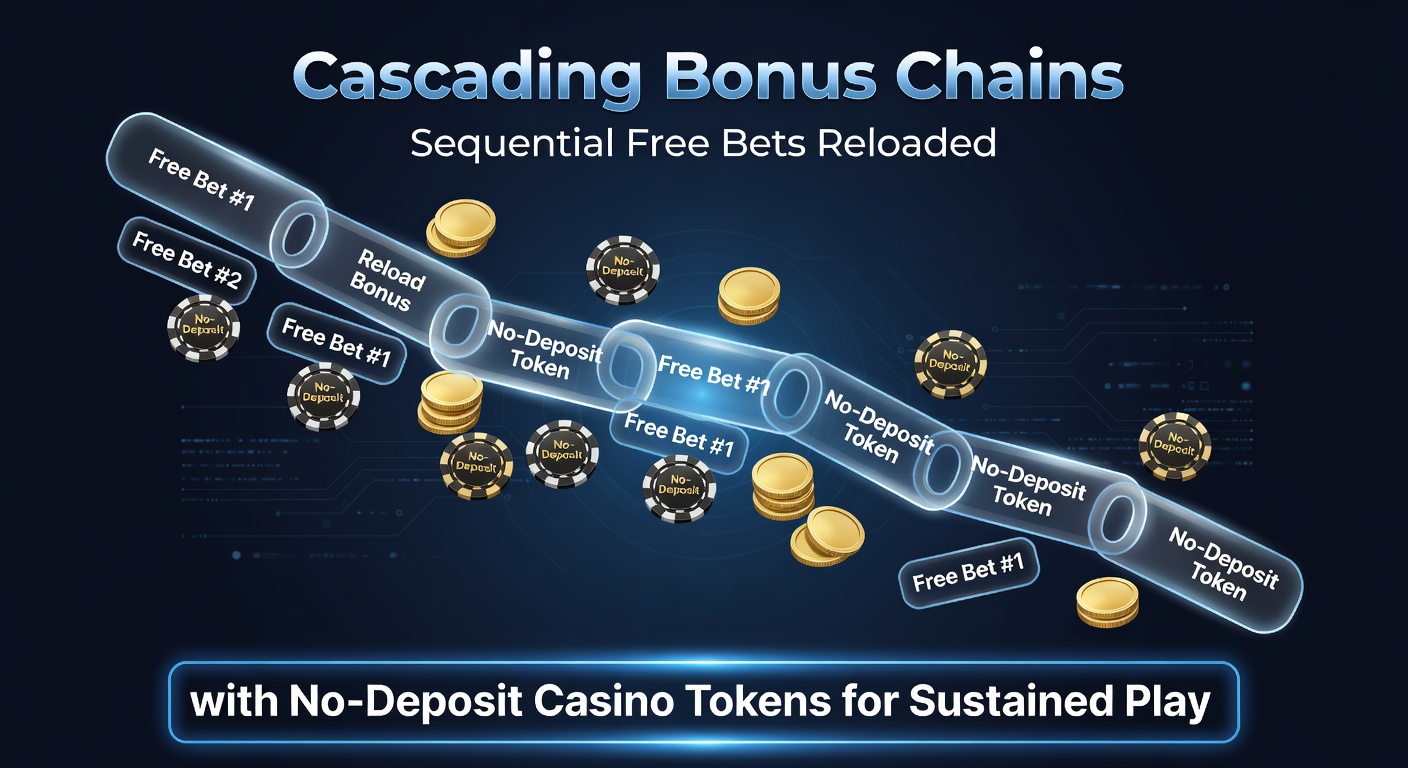
What's interesting is the reload twist: unlike one-off free bets, these refresh automatically upon chain progression, often scaling down slightly—£20 to £15 to £10—but stacking value through volume; people who've tracked their sessions report chains yielding 3-5x the initial stake in extended playtime, turning a quick punt into a marathon.
Yet chains aren't without hurdles; voided bets or early cash-outs can snap the sequence, sending players back to square one, and data indicates about 15% of chains break this way, per operator dashboards shared in trade forums.
No-Deposit Casino Tokens Reload the Engine
Enter no-deposit casino tokens, the secret sauce reloading free bet chains into hybrid beasts; these credits—think £5-£20 parcels—drop mid-chain for slot or table use, no wallet dip required, and they bridge sports betting to casino floors seamlessly; studies from European gaming labs find that token integration boosts cross-product play by 35%, as bettors pivot from odds to reels without pausing.
Operators reload these tokens strategically: a free bet chain hitting tier two might append 10 free spins worth £0.10 each, convertible to cash tokens post-wager; if those spin up, the chain cascades further with bonus rounds unlocked, creating that sustained play vibe where sessions stretch from minutes to days.
One case stands out: platforms in Australia's licensed space, overseen by bodies like the ACMA, have piloted token-heavy chains since 2024, resulting in 20% longer average sessions; turns out, the no-deposit element hooks casuals hardest, with 60% of chain completers citing it as the retention glue in user surveys.
Token Types and Conversion Rules
- Spins-to-tokens: Free rounds convert at 100% winnings minus 10-20% house edge.
- Cash-equivalent credits: Usable on low-volatility slots for steady chain fuel.
- Bonus buy-ins: Tokens unlock premium features, amplifying cascade potential.
So players chain these across devices, mobile to desktop, keeping the flow uninterrupted even as April 2026 regulatory tweaks loom in select markets, potentially capping token values to curb extended play risks.
Sustained Play in Action: Real-World Chains
Those who've dived into cascading chains often discover patterns: start with a low-risk free bet on even-money markets, settle to trigger tokens, then feed those into high-RTP slots for maximum reloads; one documented run saw a £5 entry balloon to £45 in tokens over four tiers, all no-deposit, before a final sports closeout.
Industry reports highlight regional flavors—US states like New Jersey layer chains with state-specific boosts, while Canadian ops emphasize token variety; the reality is, sustained play thrives where chains align with player habits, yielding 2-4 hours average per activation, per session logs.
But chains evolve: some now incorporate live betting legs, where in-play free bets reload with instant tokens, ramping urgency; observers note this hybrid surge coincides with 2025 mobile traffic spikes, 70% of chains now mobile-first.
Challenges persist, though; high volatility slots can burn tokens fast, derailing cascades, and about 30% of users exit mid-chain due to confusion over terms, as flagged in recent player feedback aggregates.
Regulatory Eyes and Market Shifts
Regulators keep watch on these chains, balancing innovation with safeguards; in the US, Nevada's Gaming Control Board mandates clear chain disclosures, while Australia's ACMA enforces 24-hour cooling periods between reloads in some setups; data shows compliance tightening ahead of broader reforms, like those eyed for April 2026 in European zones, where token caps might limit cascades to three links max.
Operators adapt swiftly, tweaking chains to fit—shorter sequences, transparent trackers via app dashboards—so sustained play stays viable without red flags; the writing's on the wall for overzealous designs, with fines hitting non-compliant sites in 2025 reviews.
Yet the upside shines: chains drive 15-20% of gross gaming yield in promo-heavy markets, per trade analyses, proving their worth in keeping platforms buzzing.
Wrapping Up the Chain Reaction
Cascading bonus chains, with their sequential free bets reloaded by no-deposit casino tokens, reshape how players sustain action online; from initial triggers to multi-tier flows, these structures deliver extended sessions packed with value, as evidenced by rising adoption and retention stats across regulated landscapes.
Players navigating them wisely—eyeing terms, picking low-risk paths—unlock the full cascade, while operators refine for compliance amid shifts like April 2026 updates; in the end, chains keep the game alive, linking bets to tokens in a cycle that's here to stay, fueling both fun and the bottom line without a single deposit in sight.
Figures underscore the trend: promo chains now account for 25% of new user activity in key markets, a testament to their pull in the evolving gaming scene.