31 Jul 2026
Algorithmic Targeting in Layered Loyalty Systems for Sportsbooks and Casinos
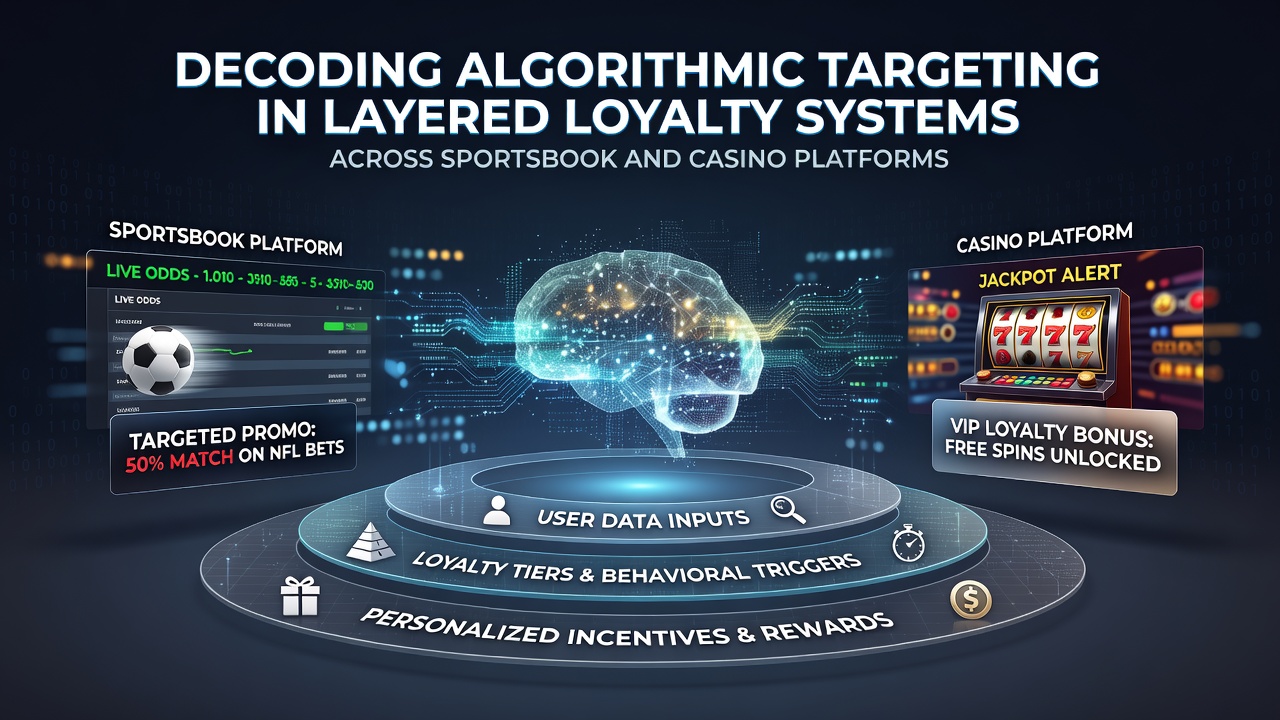
Platforms that combine sportsbook operations with casino offerings rely on algorithmic systems to analyze player data across both verticals, and these systems generate personalized loyalty rewards that adapt based on individual patterns while connecting activity from sports bets to slot sessions or table games. Data collection begins with basic metrics such as wager amounts, frequency of play, and preferred game categories, yet extends into behavioral signals including time spent on specific markets or response rates to previous promotions, which allows the algorithms to assign users to dynamic tiers that unlock escalating benefits.
Data Integration Across Platforms
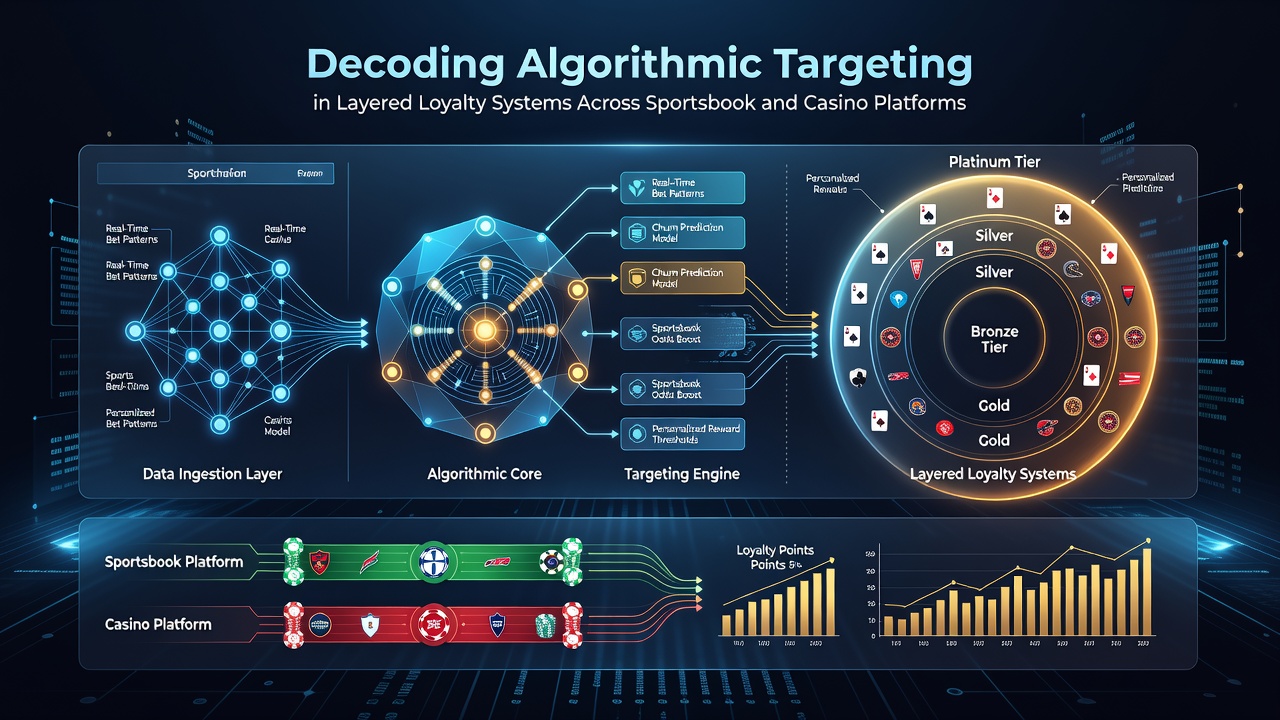
Operators maintain unified player profiles that merge information from sportsbook interfaces with casino databases, and this integration enables targeting that accounts for cross-activity trends such as a user who places accumulator bets on weekends yet shifts to high-volatility slots during midweek sessions. Algorithms process these combined datasets through machine learning models that identify correlations, for instance linking higher stake sizes in live betting to increased casino deposit activity, while adjusting reward structures accordingly to maintain engagement without overextending promotional budgets. Observers note that such layered approaches differ from standalone programs because they treat the entire user journey as a single ecosystem rather than isolated product lines.
Personalization Mechanisms
Targeting relies on predictive scoring that evaluates churn risk and lifetime value projections, and these scores determine whether a player receives immediate free bet credits, no-deposit casino tokens, or tiered cashback multipliers that apply across both verticals. In practice, a model might detect declining sportsbook volume paired with rising casino participation, then trigger an offer that bundles an odds boost with matched free spins to encourage balanced return visits. Research from the University of Nevada indicates that such hybrid incentives can increase session frequency when calibrated to individual data histories, although the precise weighting of variables remains proprietary to each operator.
Tier Structures and Reward Layering
Loyalty frameworks typically feature multiple levels where progression depends on cumulative points earned from diverse activities, and algorithmic rules govern how points convert into benefits that stack across sportsbook and casino environments. A mid-tier player might unlock accelerated point multipliers on football accumulators alongside reduced wagering requirements on casino bonuses, while top-tier users receive bespoke invitations to events or exclusive cashback rates that reset monthly. These systems update in real time as new data arrives, which means a sudden spike in live casino play can accelerate tier advancement faster than scheduled reviews would allow.
What's interesting is how operators calibrate visibility of these tiers so that users perceive attainable milestones without full transparency into the underlying formulas. Figures from industry reports compiled by the Canadian Gaming Association reveal that platforms employing layered algorithms report higher retention rates among users who engage with both sports and casino products compared to single-vertical participants. The same reports note that reward distribution often favors users whose activity patterns demonstrate steady growth rather than sporadic spikes.
Regulatory Context and July 2026 Developments
Regulatory bodies outside the United Kingdom have begun examining how algorithmic targeting intersects with responsible gambling obligations, and discussions scheduled for July 2026 in several jurisdictions focus on disclosure requirements for automated offer generation. Data from the Australian Communications and Media Authority shows increased scrutiny on whether personalized promotions inadvertently encourage extended play among higher-risk cohorts, prompting operators to incorporate spend-limit reminders directly into targeted communications. Platforms must therefore balance commercial objectives with compliance frameworks that continue to evolve, which leads some systems to include opt-out pathways for certain algorithmic categories.
Technical Implementation Patterns
Implementation commonly involves real-time bidding engines that evaluate incoming player actions against historical cohorts, and these engines decide which reward variant to surface within seconds of a completed bet or spin. Case examples documented in academic literature demonstrate that A/B testing of offer variants helps refine model accuracy, while feedback loops from redemption rates further train the algorithms to avoid low-engagement incentives. Observers highlight that successful deployments maintain separation between targeting logic and financial settlement systems to reduce operational risk during high-volume periods.
Conclusion
Algorithmic targeting within layered loyalty systems continues to shape how sportsbook and casino platforms allocate rewards based on unified user data, and ongoing refinements reflect both commercial priorities and external regulatory pressures. As models incorporate additional variables and jurisdictions refine oversight standards, the mechanisms that connect activity across verticals are likely to become more sophisticated while remaining grounded in measurable performance metrics.