12 Aug 2026
Algorithmic Personalization Transforms Reward Mechanisms in Sports Betting and Online Casinos
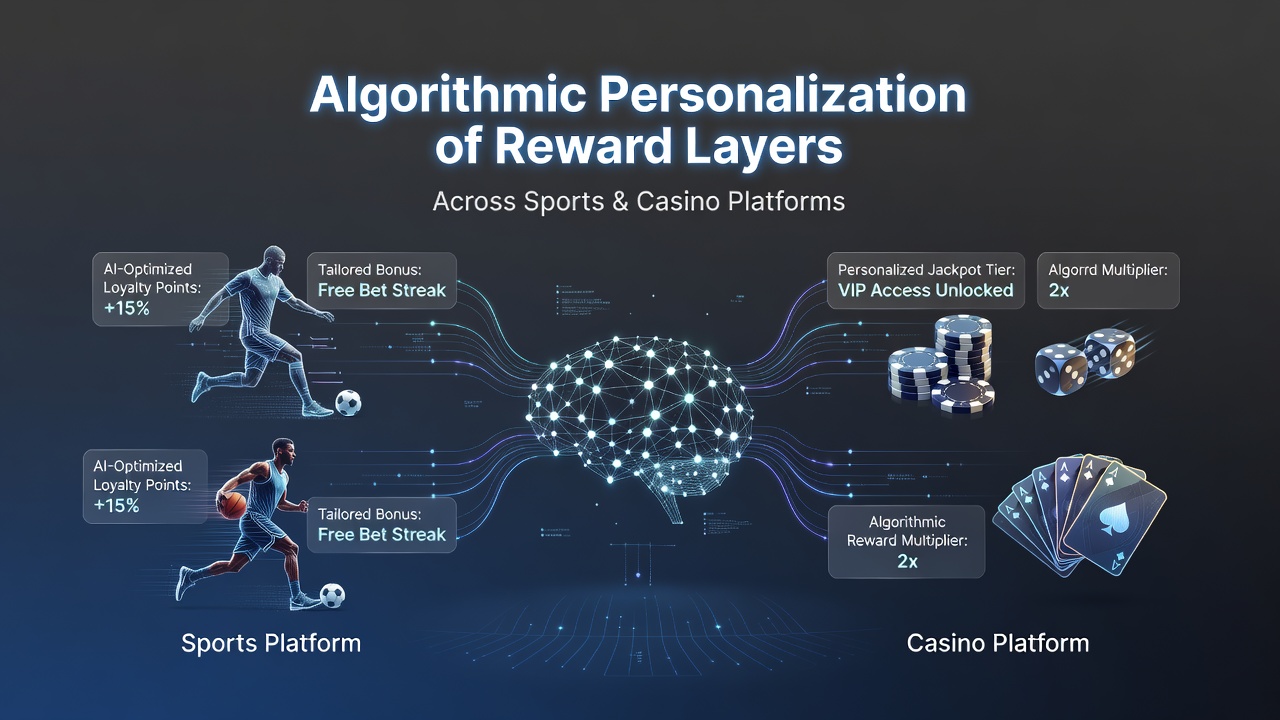
Algorithmic tools now shape reward layers by analyzing user data patterns across sports betting and casino platforms, and operators deploy these systems to adjust offers such as free bets, deposit matches, and spin credits based on individual behavior metrics. Data indicates that machine learning models process variables including bet frequency, game preferences, session duration, and historical win rates to generate tailored incentives that appear in real time during user interactions.
Data Inputs Driving Reward Adjustments
Platforms collect information from multiple sources, and these inputs feed into algorithms that recalibrate reward visibility for each account. Sports sections often prioritize variables like preferred leagues, stake sizes, and live event engagement, whereas casino modules track slot volatility choices, table game participation, and bonus redemption rates. According to reports from the Nevada Gaming Control Board, similar data frameworks support compliance monitoring while enabling operators to refine promotional targeting across regulated markets.
Researchers at institutions such as the University of Nevada, Las Vegas have examined how clustering techniques group users into segments, and these segments receive differentiated reward layers that update dynamically. One analysis revealed that platforms applying k-means clustering saw measurable shifts in user retention metrics when reward offers aligned closely with cluster-specific patterns.
Implementation Across Sports and Casino Environments
Sports betting interfaces integrate algorithmic outputs into live odds displays and accumulator promotions, so users encounter boosts or cashback offers that reflect their recent activity. Casino environments apply parallel logic to no-deposit credits and loyalty points, adjusting availability based on time-of-day patterns and game type history. Observers note that hybrid accounts bridging both verticals often receive combined reward structures, where a sports wager completion triggers casino spin eligibility or vice versa.
August 2026 marks the scheduled rollout of enhanced personalization modules at several international operators, and these updates incorporate real-time streaming data from events to refine reward timing. Figures from industry research groups show that such timing adjustments correlate with increased session continuity when offers activate within minutes of relevant user actions.
Technical Architecture Behind the Systems
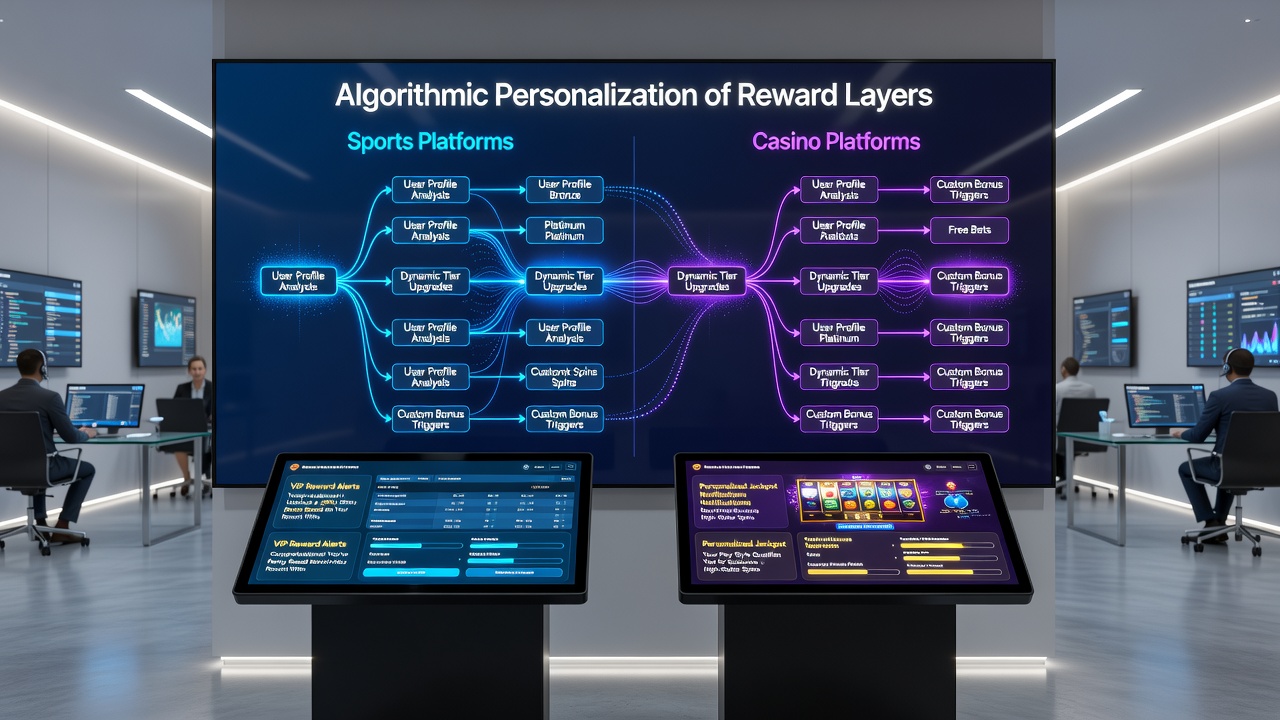
Modern setups rely on reinforcement learning models that optimize reward distribution over successive user interactions, and these models balance short-term engagement signals against longer-term retention forecasts. Developers integrate these models with customer relationship management databases, enabling seamless updates to visible promotions without manual intervention. Experts have observed that edge computing nodes positioned near regional data centers reduce latency in reward delivery, which helps maintain consistent personalization during peak traffic periods.
Case studies from European operators illustrate how A/B testing frameworks validate algorithmic changes before full deployment, and results from these tests guide parameter tuning across different user cohorts. Data from the Australian Communications and Media Authority indicates that similar testing protocols support regulatory reporting requirements while documenting the impact of personalized offers on player activity levels.
Cross-Platform Layering and User Pathways
Users navigating multiple sites encounter layered reward opportunities, and algorithms track cross-site behavior through shared identifiers where permitted by privacy frameworks. This enables operators to present escalating incentives that build on prior activity elsewhere, such as converting a sports free bet into casino credit eligibility. Those who've studied these pathways note that sequence-based modeling predicts which reward type will most likely sustain engagement after an initial interaction.
But here's the thing: privacy regulations in various jurisdictions require explicit consent mechanisms before data sharing occurs between platforms, and operators must maintain audit trails documenting algorithmic decision factors. Industry associations have compiled guidelines that address transparency around how reward eligibility criteria are determined and updated.
Regulatory Context and Compliance Measures
Government agencies across multiple regions monitor algorithmic reward systems for fairness and potential harm indicators, and compliance teams review model outputs to ensure offers do not disproportionately target vulnerable segments. The National Council on Problem Gambling has published resources that outline best practices for incorporating responsible gambling prompts into personalized reward flows. Operators integrate these prompts at decision points where reward visibility increases, and system logs capture whether users interact with the prompts before proceeding.
What's interesting is how these compliance layers sit alongside the core personalization engines without disrupting the flow of tailored offers, and platform architectures route reward decisions through separate compliance filters before display. Research indicates that maintaining this separation supports both regulatory adherence and operational efficiency in high-volume environments.
Conclusion
Algorithmic personalization of reward layers continues to evolve as data processing capabilities expand, and sports and casino platforms apply these tools to align incentives with observed user patterns. Evidence from regulatory bodies, academic studies, and industry reports documents the technical approaches and compliance frameworks currently in use. Observers note that ongoing developments around August 2026 will likely introduce further refinements to timing and cross-platform coordination while remaining subject to existing oversight structures.